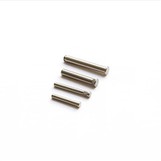
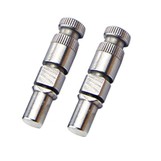
Hey there! I'm a supplier of pinion shafts, and today I wanna talk about how to adjust the backlash of a pinion shaft. Backlash is a crucial factor in the operation of pinion shafts, and getting it right can make a huge difference in the performance and longevity of your machinery.
First off, let's understand what backlash is. In simple terms, backlash is the amount of clearance or play between the teeth of the pinion shaft and the mating gear. It's necessary to have a certain amount of backlash to prevent binding, reduce noise, and allow for thermal expansion. But too much backlash can lead to problems like poor gear meshing, vibration, and premature wear.
So, how do you adjust the backlash of a pinion shaft? Well, there are a few methods, and I'll walk you through them one by one.
Method 1: Shimming
Shimming is one of the most common ways to adjust backlash. It involves adding or removing thin metal shims between the bearing housing and the gearbox to change the position of the pinion shaft. Here's how you can do it:
- Measure the existing backlash: You'll need a dial indicator to measure the current backlash. Mount the dial indicator on the gearbox and place the probe on the tooth of the mating gear. Rotate the pinion shaft back and forth and note the reading on the dial indicator. This will give you the current backlash value.
- Determine the required adjustment: Based on the specifications of your machinery, you'll need to determine the ideal backlash value. Compare the measured value with the ideal value to figure out how much adjustment is needed.
- Add or remove shims: If the backlash is too large, you'll need to add shims to move the pinion shaft closer to the mating gear. If the backlash is too small, you'll need to remove shims to move the pinion shaft further away. Make small adjustments and re - measure the backlash after each change until you reach the desired value.
Method 2: Adjusting the Bearing Preload
The bearing preload can also affect the backlash of the pinion shaft. By adjusting the preload on the bearings, you can change the position of the pinion shaft and thus the backlash. Here's the process:
- Understand bearing preload: Bearing preload is the amount of force applied to the bearings to eliminate internal clearance. A proper preload can help maintain the position of the pinion shaft and improve its stability.
- Loosen the bearing locknuts: First, you'll need to loosen the locknuts that hold the bearings in place. This will allow you to make adjustments to the preload.
- Adjust the preload: You can use a torque wrench to adjust the preload. Tightening the locknuts will increase the preload, while loosening them will decrease it. As you make these adjustments, keep an eye on the backlash using the dial indicator. Make small adjustments and re - measure until you get the right backlash value.
- Tighten the locknuts: Once you've achieved the desired backlash, tighten the locknuts to secure the bearings in their new position.
Method 3: Gear Replacement
In some cases, if the gears are worn out or damaged, the only way to properly adjust the backlash is to replace the gears. Here's what you need to do:


- Inspect the gears: Check the teeth of the pinion shaft and the mating gear for signs of wear, chipping, or damage. If the gears are severely worn, they won't be able to maintain the correct backlash even with adjustments.
- Select the right replacement gears: Make sure to choose gears that are compatible with your machinery and have the correct specifications. You can find high - quality Stainless Steel Pinion Shaft and Precision Pinion Shaft on our website.
- Install the new gears: Follow the manufacturer's instructions to install the new gears. Make sure to align them properly and adjust the backlash as described above.
Now, let's talk about some tips and tricks to make the backlash adjustment process smoother:
- Keep it clean: Make sure the gearbox and the pinion shaft are clean before you start the adjustment process. Dirt and debris can affect the accuracy of your measurements and the performance of the gears.
- Use the right tools: Always use high - quality tools like dial indicators and torque wrenches. Using the wrong tools can lead to inaccurate adjustments and potential damage to the machinery.
- Take your time: Backlash adjustment is a precise process. Don't rush it. Make small adjustments and re - measure frequently to ensure you get the right value.
As a pinion shaft supplier, I know how important it is to have well - adjusted pinion shafts in your machinery. If you're having trouble with backlash adjustment or if you're looking for high - quality pinion shafts, don't hesitate to reach out. We can provide you with the right products and offer technical support to help you get the most out of your machinery. Whether you need a Stainless Steel Pinion Shaft for its corrosion resistance or a Precision Pinion Shaft for its high - accuracy performance, we've got you covered.
If you're interested in purchasing pinion shafts or have any questions about our products, feel free to contact us. We're always here to assist you in finding the perfect solution for your needs.
References
- "Gear Handbook" by Darle W. Dudley
- "Mechanical Engineering Design" by Joseph E. Shigley and Charles R. Mischke