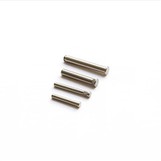
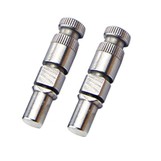
As a reliable supplier of eccentric shafts, I've encountered numerous inquiries regarding the adjustment of the eccentricity of these essential components. Eccentric shafts are extensively used in various mechanical systems, including engines, pumps, and industrial machinery, where they convert rotary motion into linear motion or vice versa. The proper adjustment of eccentricity is crucial for ensuring the optimal performance and longevity of the equipment in which they are installed. In this blog post, I'll share some insights and practical steps on how to adjust the eccentricity of an eccentric shaft.
Understanding Eccentricity
Before delving into the adjustment process, it's essential to understand what eccentricity means. Eccentricity refers to the distance between the center of the shaft and the center of the eccentric part. This offset creates the desired motion when the shaft rotates. The amount of eccentricity determines the amplitude of the linear motion produced. In most applications, the eccentricity is precisely designed according to the specific requirements of the machinery. However, there are situations where adjustment becomes necessary, such as when fine - tuning the equipment's performance or compensating for wear and tear.
Tools Required for Adjustment
To adjust the eccentricity of an eccentric shaft, you'll need a set of appropriate tools. Here are some commonly used tools:


- Dial Indicator: This is an essential tool for measuring the eccentricity accurately. It can provide precise readings of the offset between the shaft's center and the eccentric part.
- V - Blocks: V - blocks are used to support the shaft during measurement and adjustment. They ensure that the shaft is held securely and in a stable position.
- Micrometer or Caliper: These tools are used to measure the dimensions of the shaft and the eccentric part. They help in determining the current eccentricity and making accurate adjustments.
- Adjusting Wrenches or Screwdrivers: Depending on the design of the eccentric shaft, you may need wrenches or screwdrivers to make the necessary adjustments. Some eccentric shafts have adjustable components that can be tightened or loosened to change the eccentricity.
Steps to Adjust the Eccentricity
Step 1: Preparation
- First, ensure that the machinery is powered off and safely locked out to prevent any accidental movement during the adjustment process.
- Clean the shaft and the surrounding area to remove any dirt, debris, or lubricant that could interfere with the measurement or adjustment.
- Mount the shaft securely on the V - blocks. Make sure the shaft is centered and level to obtain accurate measurements.
Step 2: Measuring the Current Eccentricity
- Attach the dial indicator to a stable base and position the probe against the surface of the eccentric part.
- Slowly rotate the shaft by hand through a full revolution. As the shaft rotates, the dial indicator will show the variation in the distance between the eccentric part and the center of rotation. This variation indicates the current eccentricity.
- Take multiple readings at different points around the shaft's circumference to ensure accuracy. Record the maximum and minimum readings and calculate the difference. This difference is the current eccentricity of the shaft.
Step 3: Calculating the Required Adjustment
- Determine the desired eccentricity based on the specifications of the machinery. This value can usually be found in the equipment's technical documentation.
- Compare the current eccentricity with the desired eccentricity to calculate the amount of adjustment required. If the current eccentricity is larger than the desired value, you need to decrease the offset. Conversely, if it is smaller, you need to increase the offset.
Step 4: Making the Adjustment
- For Adjustable Eccentric Shafts: If the eccentric shaft has adjustable components, such as set screws or locking nuts, use the appropriate wrenches or screwdrivers to make the adjustment. Loosen the locking components first, then carefully adjust the position of the eccentric part to increase or decrease the eccentricity. Make small adjustments and re - measure the eccentricity using the dial indicator after each adjustment until the desired value is achieved.
- For Non - Adjustable Eccentric Shafts: In some cases, the eccentric shaft may not have adjustable components. In such situations, you may need to use shims or other precision - machining techniques to modify the shaft's geometry. Shims can be inserted between the shaft and the mounting surface to change the relative position of the eccentric part. However, this method requires a high level of skill and precision to ensure that the adjustment is accurate.
Step 5: Verification
- Once you have made the adjustment, re - measure the eccentricity using the dial indicator to verify that the desired value has been achieved.
- Rotate the shaft through a full revolution again and check the readings on the dial indicator. The variation should now be within the specified tolerance range.
- If the eccentricity is still not within the desired range, repeat the adjustment process until the correct value is obtained.
Common Challenges and Solutions
- Inaccurate Measurements: Inaccurate measurements can lead to incorrect adjustments. To ensure accurate measurements, make sure the dial indicator is properly calibrated, and the shaft is securely mounted on the V - blocks. Also, take multiple readings at different points to minimize errors.
- Limited Adjustment Range: Some eccentric shafts may have a limited adjustment range. If you need to make a large adjustment that exceeds the available range, you may need to consider replacing the shaft with one that has the appropriate eccentricity.
- Wear and Tear: Over time, eccentric shafts can wear down, which can affect the eccentricity. If you notice excessive wear on the shaft or the eccentric part, it may be necessary to replace the worn components to restore the correct eccentricity.
Maintaining the Adjusted Eccentric Shaft
- Regular Inspection: After adjusting the eccentricity, it's important to conduct regular inspections to ensure that the setting remains stable. Check the shaft for any signs of wear, damage, or misalignment.
- Lubrication: Proper lubrication is essential for reducing friction and wear on the eccentric shaft. Follow the manufacturer's recommendations for lubrication intervals and use the appropriate lubricant.
- Alignment Checks: Periodically check the alignment of the shaft with other components in the machinery. Misalignment can cause additional stress on the shaft and affect its performance.
As a supplier, we offer a wide range of high - quality eccentric shafts, including Precision Eccentric Shaft and Stainless Steel Eccentric Shaft. Our products are manufactured with precision and strict quality control to ensure optimal performance. If you have any questions about eccentric shaft adjustment or are interested in purchasing our products, please feel free to contact us for further discussion and procurement.
References
- Machinery's Handbook: A comprehensive reference for mechanical engineering and manufacturing, which provides detailed information on shaft design, measurement, and adjustment techniques.
- Manufacturer's Technical Documentation: The technical manuals provided by the equipment manufacturers often contain specific instructions and guidelines for adjusting the eccentricity of the shafts used in their machinery.