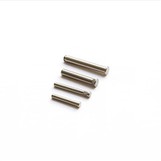
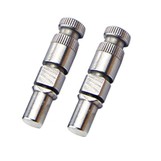
Hey there! As a supplier of hard chrome shafts, I often get asked about the elastic modulus of these bad boys. So, I thought I'd take a few minutes to break it down for you and explain why it matters.
First things first, let's talk about what the elastic modulus is. In simple terms, the elastic modulus is a measure of how stiff a material is. It tells you how much a material will deform under a given amount of stress. The higher the elastic modulus, the stiffer the material and the less it will deform.

Now, let's get into the nitty-gritty of the elastic modulus of a hard chrome shaft. Hard chrome shafts are made by applying a layer of chromium to a steel shaft through a process called electroplating. This layer of chromium provides a number of benefits, including increased hardness, wear resistance, and corrosion resistance.
The elastic modulus of a hard chrome shaft depends on a few different factors, including the type of steel used in the shaft, the thickness of the chrome layer, and the plating process. In general, the elastic modulus of a hard chrome shaft is similar to that of the underlying steel shaft. This is because the chrome layer is relatively thin compared to the shaft itself, so it doesn't have a significant impact on the overall stiffness of the shaft.
However, it's important to note that the chrome layer can affect the surface properties of the shaft, which can in turn affect its performance. For example, a thicker chrome layer can provide better wear resistance, but it can also make the shaft more brittle. On the other hand, a thinner chrome layer can make the shaft more flexible, but it may not provide as much protection against wear and corrosion.
So, why does the elastic modulus of a hard chrome shaft matter? Well, it depends on the application. In some applications, such as precision machinery and robotics, a high elastic modulus is essential to ensure accurate and repeatable motion. In these applications, a shaft with a low elastic modulus may deform under load, which can lead to inaccuracies and reduced performance.
In other applications, such as automotive and aerospace, a high elastic modulus is also important to ensure the structural integrity of the shaft. In these applications, a shaft with a low elastic modulus may be more prone to bending or breaking under high loads, which can lead to safety issues.
At our company, we understand the importance of the elastic modulus of a hard chrome shaft, and we take great care to ensure that our shafts meet the highest standards of quality and performance. We use only the highest quality steel and chrome plating materials, and we follow strict manufacturing processes to ensure that our shafts have the right combination of stiffness, strength, and durability.
If you're in the market for a hard chrome shaft, we invite you to check out our Hard Chrome Linear Shaft product line. Our hard chrome linear shafts are available in a variety of sizes and configurations to meet your specific needs, and we offer competitive pricing and fast delivery times.
Whether you're looking for a shaft for a precision machinery application or a high-performance automotive or aerospace application, we have the expertise and experience to provide you with the right solution. So, if you have any questions or would like to discuss your specific requirements, please don't hesitate to contact us. We'd be happy to help you find the perfect hard chrome shaft for your needs.
In conclusion, the elastic modulus of a hard chrome shaft is an important factor to consider when choosing a shaft for your application. By understanding the factors that affect the elastic modulus and choosing a high-quality shaft from a reputable supplier, you can ensure that your shaft will provide the performance and reliability you need. So, if you're in the market for a hard chrome shaft, be sure to do your research and choose a supplier that you can trust.
References:
- Callister, W. D., & Rethwisch, D. G. (2011). Materials Science and Engineering: An Introduction. Wiley.
- Shackelford, J. F. (2009). Introduction to Materials Science for Engineers. Pearson.