Hey there, fellow automotive enthusiasts! As a pinion shaft supplier, I've seen my fair share of pinion shaft failures in automotive transmissions. It can be a real headache for mechanics and car owners alike. But don't worry, in this blog post, I'm gonna walk you through how to diagnose a pinion shaft failure in an automotive transmission.


Understanding the Pinion Shaft
First things first, let's talk a bit about what a pinion shaft is and what it does. The pinion shaft is a crucial component in an automotive transmission. It's basically a small gear shaft that meshes with a larger gear, usually the ring gear in the differential. This interaction is what allows the power from the engine to be transferred to the wheels, enabling your car to move.
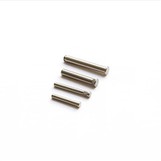
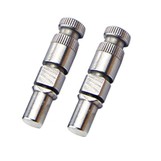
There are different types of pinion shafts out there. For example, we offer Precision Pinion Shaft and Stainless Steel Pinion Shaft. Precision pinion shafts are made with high - precision machining techniques, ensuring a perfect fit and smooth operation. Stainless steel pinion shafts, on the other hand, are more resistant to corrosion, which is great for vehicles that are exposed to harsh environments.
Signs of Pinion Shaft Failure
So, how do you know if your pinion shaft is failing? There are several tell - tale signs that you should keep an eye out for.
Unusual Noises
One of the most common signs is unusual noises coming from the transmission. You might hear a whining, grinding, or growling sound. A whining noise could indicate that the pinion shaft bearings are worn out. Bearings are what support the pinion shaft and allow it to rotate smoothly. When they're worn, they can't do their job properly, and that's when you start to hear that annoying whine.
A grinding or growling sound is even more serious. This could mean that the teeth on the pinion shaft are damaged or worn. When the teeth don't mesh correctly with the ring gear, they grind against each other, creating that unpleasant noise.
Vibration
Another sign is vibration. If you feel a vibration in the steering wheel, floorboard, or seat while driving, it could be due to a pinion shaft problem. A bent or unbalanced pinion shaft can cause uneven rotation, which leads to vibration. This vibration can get worse as you increase your speed.
Difficulty Shifting Gears
If you're having trouble shifting gears, especially in a manual transmission, it could be related to a pinion shaft issue. A damaged pinion shaft can disrupt the normal operation of the transmission, making it hard to engage or disengage gears smoothly.
Leaking Fluid
Transmission fluid leaks can also be a sign of pinion shaft failure. The pinion shaft is located within the transmission housing, and if it's damaged, it can cause the seals around it to fail. This allows transmission fluid to leak out. You might notice red or brown fluid under your car. Low transmission fluid levels can further damage the transmission and other components, so it's important to address this issue as soon as possible.
Diagnostic Steps
Now that you know the signs, let's go through the steps to diagnose a pinion shaft failure.
Visual Inspection
The first step is to do a visual inspection. Pop the hood and take a look at the transmission. Check for any signs of fluid leaks around the transmission housing. Look for cracks, dents, or other visible damage. You can also try to see if there are any loose or broken parts near the pinion shaft area.
Check the Transmission Fluid
Next, check the transmission fluid. You can do this by using the dipstick, which is usually located near the back of the engine compartment. Pull out the dipstick, wipe it clean, and then re - insert it. Pull it out again and check the fluid level and condition. If the fluid is low, it could be due to a leak. If the fluid is dirty or has a burnt smell, it might indicate internal damage in the transmission, including a possible pinion shaft problem.
Listen for Noises
Take the car for a test drive and listen carefully for any unusual noises. Pay attention to when the noise occurs. Does it happen when you're accelerating, decelerating, or just cruising at a constant speed? This can give you clues about the nature of the problem. For example, if the noise gets louder when you accelerate, it could mean that the pinion shaft is under more stress and there's a problem with the gear meshing.
Use Diagnostic Tools
If you're still not sure what's going on, you can use diagnostic tools. There are OBD - II (On - Board Diagnostic) scanners that can read the error codes stored in the car's computer. These codes can give you more information about what's wrong with the transmission. Some advanced scanners can even provide real - time data about the transmission's operation, such as the speed of the pinion shaft and the pressure of the transmission fluid.
Disassemble the Transmission (if necessary)
In some cases, you might need to disassemble the transmission to get a closer look at the pinion shaft. This is a more advanced and time - consuming process, and it's usually best left to professional mechanics. Once the transmission is disassembled, you can inspect the pinion shaft for wear, damage, or misalignment. Check the teeth for any signs of chipping, cracking, or excessive wear. Also, examine the bearings and seals for damage.
Preventive Measures
To avoid pinion shaft failures in the first place, there are some preventive measures you can take.
Regular Maintenance
Regular maintenance is key. Make sure to change the transmission fluid at the recommended intervals. Fresh transmission fluid helps to lubricate the pinion shaft and other components, reducing wear and tear. Also, have your transmission inspected regularly by a professional mechanic. They can catch any potential problems early on and prevent them from turning into major issues.
Drive Carefully
How you drive can also affect the lifespan of your pinion shaft. Avoid sudden acceleration and hard braking, as these actions put extra stress on the transmission. When shifting gears in a manual transmission, do it smoothly and don't force the gear lever.
Why Choose Our Pinion Shafts
If you do find that you need to replace your pinion shaft, you should consider our products. Our Precision Pinion Shaft and Stainless Steel Pinion Shaft are made with high - quality materials and advanced manufacturing techniques. We ensure that each pinion shaft meets strict quality standards, providing you with a reliable and long - lasting solution.
If you're interested in our pinion shafts or have any questions about pinion shaft diagnosis or replacement, we'd love to hear from you. Whether you're a mechanic looking for quality parts for your customers or a car owner trying to fix your own vehicle, we can help. Reach out to us for more information and to start a purchase negotiation.
References
- "Automotive Transmission Systems" - A textbook on automotive transmission technology
- "Diagnosing and Repairing Automatic Transmissions" - A practical guide for mechanics
- Various automotive repair manuals and online forums for real - world experiences and advice.