Hey there! As a solid shaft supplier, I've seen firsthand how crucial it is to ensure the stability of chain - sprocket - shaft operations. In this blog, I'll share some tips and tricks on how to achieve just that.
1. Understanding the Basics
Before we dive into the details, let's quickly go over what a chain - sprocket - shaft system is. A chain is a flexible series of connected links, a sprocket is a toothed wheel that engages with the chain, and a shaft is a rotating machine element that supports the sprocket. These three components work together to transmit power and motion in various mechanical systems, like bicycles, motorcycles, and industrial machinery.


The stability of this system is super important. If it's not stable, you could face issues like premature wear and tear, power loss, and even system failure. So, how do we keep everything running smoothly?
2. Selecting the Right Components
Shaft Selection
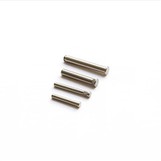
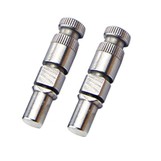
As a solid shaft supplier, I can't stress enough the importance of choosing the right shaft. You need to consider factors like material, diameter, and length. For example, if you're working in a corrosive environment, a Stainless Steel Solid Shaft would be a great choice. Stainless steel is resistant to rust and corrosion, which means your shaft will last longer.
On the other hand, if you need high precision, a Precision Solid Shaft is the way to go. These shafts are machined to very tight tolerances, ensuring smooth and accurate operation.
Chain and Sprocket Selection
The chain and sprocket also need to be carefully selected. You need to make sure they are compatible with each other and with the shaft. The pitch of the chain (the distance between the centers of adjacent pins) should match the pitch of the sprocket teeth. Also, consider the load capacity of the chain and sprocket. If you're dealing with heavy loads, you'll need a chain and sprocket with a higher load rating.
3. Proper Installation
Once you've selected the right components, it's time to install them. Proper installation is key to ensuring the stability of the chain - sprocket - shaft system.
Shaft Installation
When installing the shaft, make sure it is properly aligned. Misalignment can cause uneven stress on the shaft, leading to premature failure. Use alignment tools to ensure the shaft is straight and centered. Also, make sure the shaft is securely mounted. Loose mounting can cause vibrations, which can also affect the stability of the system.
Chain and Sprocket Installation
Install the chain and sprocket according to the manufacturer's instructions. Make sure the chain is properly tensioned. Too much tension can cause excessive wear on the chain and sprocket, while too little tension can cause the chain to slip. You can use a tension gauge to measure the tension and adjust it as needed.
4. Regular Maintenance
Regular maintenance is essential for keeping the chain - sprocket - shaft system stable.
Shaft Maintenance
Check the shaft regularly for signs of wear, such as scratches, dents, or cracks. If you notice any issues, replace the shaft immediately. Also, lubricate the shaft as recommended by the manufacturer. Lubrication helps reduce friction and wear, extending the life of the shaft.
Chain and Sprocket Maintenance
Clean the chain and sprocket regularly to remove dirt, debris, and old lubricant. Use a suitable cleaning agent and a brush to clean the components. After cleaning, apply a fresh coat of lubricant. Lubrication helps reduce friction, prevent corrosion, and extend the life of the chain and sprocket.
5. Monitoring and Troubleshooting
Even with proper selection, installation, and maintenance, issues can still arise. That's why it's important to monitor the chain - sprocket - shaft system regularly.
Monitoring
Use sensors and monitoring devices to keep track of the system's performance. You can monitor parameters like temperature, vibration, and noise. Any sudden changes in these parameters could indicate a problem.
Troubleshooting
If you notice any issues, such as excessive noise, vibration, or chain slipping, stop the system immediately and troubleshoot the problem. Check for loose components, misalignment, or worn parts. Replace any damaged components as needed.
6. Importance of Quality Components
I can't emphasize enough how important it is to use high - quality components. Cheap, low - quality components may seem like a good deal at first, but they can end up costing you more in the long run. High - quality components are more durable, reliable, and perform better, which means less downtime and lower maintenance costs.
As a solid shaft supplier, I'm committed to providing my customers with the highest quality products. Our shafts are made from the best materials and are machined to the highest standards. When you choose our products, you can be confident that you're getting a reliable and stable chain - sprocket - shaft system.
7. Conclusion
Ensuring the stability of the chain - sprocket - shaft operation is crucial for the smooth and efficient running of mechanical systems. By selecting the right components, installing them properly, performing regular maintenance, monitoring the system, and using high - quality products, you can keep your system running smoothly for a long time.
If you're in the market for a solid shaft or have any questions about chain - sprocket - shaft systems, don't hesitate to reach out. We're here to help you find the right solutions for your needs. Let's work together to ensure the stability and reliability of your mechanical systems.
References
- Machinery's Handbook, Industrial Press Inc.
- Mechanical Engineering Design, Joseph E. Shigley, Charles R. Mischke, Richard G. Budynas.