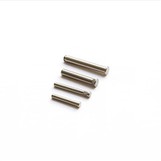
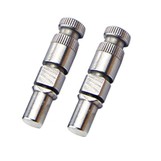
As a seasoned spline shaft supplier, I've witnessed firsthand the critical role these components play in various mechanical systems. Spline shafts are designed to transmit torque and rotational motion between two parts, often in high-stress environments. However, like any mechanical component, they are subject to fatigue, which can lead to premature failure. In this blog post, I'll share some practical strategies on how to extend the fatigue life of a spline shaft, ensuring optimal performance and reliability in your applications.
Understanding Fatigue in Spline Shafts
Before delving into the methods of extending fatigue life, it's essential to understand what causes fatigue in spline shafts. Fatigue is a progressive and localized structural damage that occurs when a material is subjected to cyclic loading. In the case of spline shafts, this cyclic loading can result from repeated torque transmission, vibrations, or misalignment. Over time, these cyclic stresses can cause microscopic cracks to form on the surface of the shaft, which gradually grow and eventually lead to failure.
Several factors can influence the fatigue life of a spline shaft, including:
- Material Properties: The choice of material significantly affects the fatigue resistance of a spline shaft. Materials with high strength, toughness, and corrosion resistance are generally more resistant to fatigue. For example, Stainless Steel Spline Shaft offer excellent corrosion resistance and high strength, making them suitable for applications in harsh environments.
- Surface Finish: A smooth surface finish can reduce stress concentrations and prevent the initiation of cracks. Rough surfaces, on the other hand, can act as stress raisers, increasing the likelihood of fatigue failure.
- Heat Treatment: Proper heat treatment can improve the mechanical properties of the material, such as hardness and strength, thereby enhancing the fatigue resistance of the spline shaft.
- Design and Geometry: The design and geometry of the spline shaft, including the number of splines, pitch, and tooth profile, can affect the distribution of stress and the overall fatigue life.
Strategies to Extend Fatigue Life
Now that we understand the factors that influence fatigue in spline shafts, let's explore some strategies to extend their fatigue life.


1. Material Selection
Choosing the right material is crucial for maximizing the fatigue life of a spline shaft. As mentioned earlier, stainless steel is a popular choice due to its excellent corrosion resistance and high strength. 304 Stainless Steel Spline Shaft are particularly suitable for applications where corrosion resistance is a primary concern. Other materials, such as alloy steels and carbon steels, can also be used depending on the specific requirements of the application.
When selecting a material, consider the following factors:
- Strength and Toughness: The material should have sufficient strength and toughness to withstand the cyclic stresses without undergoing plastic deformation or fracture.
- Corrosion Resistance: If the spline shaft will be exposed to corrosive environments, choose a material with good corrosion resistance to prevent surface damage and the initiation of cracks.
- Machinability: The material should be easy to machine to ensure accurate manufacturing of the spline shaft.
2. Surface Treatment
Surface treatment can significantly improve the fatigue resistance of a spline shaft. One common surface treatment method is shot peening, which involves bombarding the surface of the shaft with small spherical particles to induce compressive stresses. These compressive stresses counteract the tensile stresses caused by cyclic loading, reducing the likelihood of crack initiation and propagation.
Another surface treatment option is nitriding, which involves diffusing nitrogen into the surface of the shaft to form a hard, wear-resistant layer. Nitriding can improve the surface hardness and fatigue resistance of the spline shaft, making it more resistant to wear and corrosion.
3. Heat Treatment
Proper heat treatment can enhance the mechanical properties of the material and improve the fatigue resistance of the spline shaft. Heat treatment processes, such as quenching and tempering, can increase the hardness and strength of the material, while also improving its toughness and ductility.
The specific heat treatment process used will depend on the material and the requirements of the application. For example, stainless steel spline shafts may require a solution annealing treatment to improve their corrosion resistance and mechanical properties.
4. Design Optimization
The design and geometry of the spline shaft can have a significant impact on its fatigue life. Here are some design considerations to keep in mind:
- Spline Profile: Choose a spline profile that distributes the stress evenly across the teeth, reducing the likelihood of stress concentrations. For example, involute splines are commonly used due to their smooth load distribution characteristics.
- Number of Splines: The number of splines on the shaft can affect the load-carrying capacity and the fatigue life. Increasing the number of splines can distribute the load more evenly, reducing the stress on each individual tooth.
- Fillet Radius: Incorporate generous fillet radii at the root of the spline teeth to reduce stress concentrations and prevent crack initiation.
- Shaft Diameter: Increasing the shaft diameter can increase the cross-sectional area and the moment of inertia, reducing the stress levels and improving the fatigue life.
5. Lubrication and Maintenance
Proper lubrication is essential for reducing friction and wear between the spline shaft and the mating components. Lubricants can also help to dissipate heat and prevent corrosion, extending the fatigue life of the shaft.
Regular maintenance is also crucial for ensuring the long-term performance of the spline shaft. This includes inspecting the shaft for signs of wear, damage, or corrosion, and replacing any worn or damaged components as needed.
Conclusion
Extending the fatigue life of a spline shaft is essential for ensuring the reliable operation of mechanical systems. By selecting the right material, applying appropriate surface and heat treatments, optimizing the design, and implementing proper lubrication and maintenance practices, you can significantly improve the fatigue resistance of the spline shaft and reduce the risk of premature failure.
As a spline shaft supplier, I'm committed to providing high-quality products and expert advice to help you meet your specific requirements. If you have any questions or need assistance with selecting the right spline shaft for your application, please don't hesitate to contact me. I look forward to working with you to find the best solution for your needs.
References
- Dieter, G. E. (1988). Mechanical Metallurgy. McGraw-Hill.
- Shigley, J. E., & Mischke, C. R. (2001). Mechanical Engineering Design. McGraw-Hill.
- Budynas, R. G., & Nisbett, J. K. (2011). Shigley's Mechanical Engineering Design. McGraw-Hill.