Installing a pulley on a solid shaft is a task that requires careful planning, the right tools, and a good understanding of the mechanical principles involved. As a solid shaft supplier, I've seen firsthand the importance of a proper installation to ensure the smooth and efficient operation of machinery. In this blog, I'll guide you through the process of installing a pulley on a solid shaft, step by step.
Understanding the Basics
Before you start the installation process, it's crucial to have a basic understanding of the components involved. A solid shaft is a continuous, unbroken cylinder typically made of materials like steel or stainless steel. It provides the structural support and rotational axis for various mechanical components, including pulleys.
Pulleys, on the other hand, are grooved wheels that are used to transmit power or motion from one shaft to another using a belt or a chain. They come in different sizes, shapes, and materials, depending on the specific application.
Selecting the Right Solid Shaft and Pulley
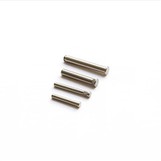
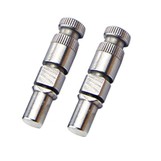
The first step in installing a pulley on a solid shaft is to select the right components. The shaft should be of the correct diameter, length, and material to support the load and the rotational speed required by the application. We offer a wide range of Stainless Steel Solid Shaft and Precision Solid Shaft options to meet your specific needs.
When selecting a pulley, consider the following factors:
- Belt or Chain Type: Ensure that the pulley is compatible with the type of belt or chain you'll be using.
- Diameter and Width: The diameter and width of the pulley should be appropriate for the power transmission requirements and the available space.
- Material: Choose a pulley material that is suitable for the operating environment, such as cast iron, steel, or aluminum.
Preparing the Shaft and Pulley
Once you've selected the right shaft and pulley, it's time to prepare them for installation. Start by thoroughly cleaning the shaft and the pulley bore to remove any dirt, grease, or rust. Use a degreaser and a clean cloth to ensure a clean surface.


Next, inspect the shaft and the pulley for any damage or imperfections. Look for cracks, burrs, or excessive wear, as these can affect the installation and the performance of the pulley. If you find any issues, replace the damaged components before proceeding.
Determining the Installation Location
Before installing the pulley, you need to determine the correct location on the shaft. This will depend on the specific application and the alignment requirements of the machinery. Use a measuring tool, such as a caliper or a micrometer, to mark the installation location accurately.
It's important to ensure that the pulley is installed in a position that allows for proper belt or chain tension and alignment. Improper installation can lead to increased wear, noise, and reduced efficiency.
Installing the Pulley
Once you've prepared the shaft and the pulley and determined the installation location, it's time to install the pulley on the shaft. There are several methods you can use, depending on the type of pulley and the shaft.
Keyway and Key Installation
One of the most common methods of installing a pulley on a solid shaft is using a keyway and a key. A keyway is a slot machined into the shaft and the pulley bore, and a key is a small piece of metal that fits into the keyway to prevent the pulley from rotating freely on the shaft.
To install the pulley using a keyway and a key, follow these steps:
- Insert the key into the keyway on the shaft.
- Align the keyway on the pulley bore with the key on the shaft.
- Slide the pulley onto the shaft until it is fully seated.
- Use a hammer and a drift to tap the pulley gently into place, if necessary.
Tapered Bore Installation
Another method of installing a pulley on a solid shaft is using a tapered bore. A tapered bore is a bore that is slightly larger at one end than the other, and it is designed to fit onto a tapered shaft.
To install the pulley using a tapered bore, follow these steps:
- Apply a thin layer of lubricant to the tapered shaft and the pulley bore.
- Align the pulley bore with the tapered shaft.
- Slide the pulley onto the shaft until it is fully seated.
- Use a tightening device, such as a lock nut or a clamping collar, to secure the pulley in place.
Press Fit Installation
A press fit installation involves forcing the pulley onto the shaft using a press or a hydraulic tool. This method is typically used for pulleys that have a tight fit on the shaft and require a high level of precision.
To install the pulley using a press fit, follow these steps:
- Heat the pulley using a torch or an induction heater to expand the bore slightly.
- Align the pulley bore with the shaft.
- Use a press or a hydraulic tool to force the pulley onto the shaft until it is fully seated.
- Allow the pulley to cool and contract, creating a tight fit on the shaft.
Checking the Installation
After installing the pulley on the shaft, it's important to check the installation to ensure that it is correct. Use a dial indicator to check the alignment of the pulley with the shaft and the other components in the system. The alignment should be within the manufacturer's specifications.
Next, check the belt or chain tension. The tension should be adjusted to the correct level to ensure proper power transmission and to prevent excessive wear on the belt or chain. Use a tension gauge to measure the tension and adjust it as needed.
Finally, run the machinery for a short period of time to check for any abnormal noise, vibration, or other issues. If you notice any problems, stop the machinery immediately and inspect the installation for any issues.
Maintenance and Troubleshooting
Once the pulley is installed and the machinery is running smoothly, it's important to perform regular maintenance to ensure the longevity and reliability of the system. This includes checking the belt or chain tension, lubricating the bearings, and inspecting the pulley and the shaft for any signs of wear or damage.
If you encounter any problems with the pulley or the shaft, such as excessive noise, vibration, or wear, it's important to troubleshoot the issue as soon as possible. This may involve checking the alignment, adjusting the tension, or replacing the damaged components.
Conclusion
Installing a pulley on a solid shaft is a task that requires careful planning, the right tools, and a good understanding of the mechanical principles involved. By following the steps outlined in this blog, you can ensure a proper installation and a smooth and efficient operation of your machinery.
As a solid shaft supplier, we are committed to providing high-quality products and excellent customer service. If you have any questions or need assistance with selecting the right solid shaft or pulley for your application, please don't hesitate to contact us. We look forward to working with you and helping you achieve your goals.
References
- Machinery's Handbook, 31st Edition
- Shigley's Mechanical Engineering Design, 10th Edition