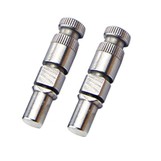
Hey there! As a supplier of robot shafts, I often get asked about how to measure the runout of a robot shaft. It's a crucial aspect of ensuring that the robot operates smoothly and efficiently. In this blog, I'll share some insights on how you can measure the runout of a robot shaft like a pro.
First off, let's understand what runout is. Runout refers to the amount by which a rotating part, in this case, the robot shaft, deviates from its true circular path. It can be caused by various factors such as manufacturing tolerances, misalignment, or wear and tear over time. Excessive runout can lead to issues like vibration, noise, and premature wear of components, which can ultimately affect the performance and lifespan of the robot.
Now, let's get into the nitty - gritty of measuring the runout of a robot shaft. There are a few different methods and tools you can use, and I'll go through each of them.
Using a Dial Indicator
One of the most common and straightforward ways to measure runout is by using a dial indicator. This tool is relatively inexpensive and easy to use. Here's how you can do it:
- Prepare the Shaft: Make sure the robot shaft is clean and free of any debris. You may also need to mount the shaft in a fixture or on a lathe to ensure it can rotate freely.
- Mount the Dial Indicator: Attach the dial indicator to a stable surface, like a magnetic base. Position the indicator so that the contact point touches the surface of the shaft at the point where you want to measure the runout. Usually, you'll want to measure at multiple points along the length of the shaft.
- Zero the Indicator: Before you start rotating the shaft, set the dial indicator to zero. This will give you a baseline measurement.
- Rotate the Shaft: Slowly rotate the robot shaft through a full 360 - degree turn. As the shaft rotates, the indicator needle will move, showing the amount of deviation from the true circular path.
- Record the Reading: Take note of the maximum and minimum readings on the dial indicator. The difference between these two values is the total runout at that particular point on the shaft.
Laser - Based Measurement Systems
For more precise and accurate measurements, laser - based measurement systems are a great option. These systems use lasers to measure the distance between the shaft surface and a reference point, allowing for highly detailed and accurate runout measurements.
- Set Up the System: Install the laser - based measurement system according to the manufacturer's instructions. This may involve mounting the laser sensors around the shaft and connecting them to a control unit.
- Calibrate the System: Before taking any measurements, you need to calibrate the system to ensure accurate results. This typically involves setting a reference distance and adjusting the system parameters.
- Measure the Runout: Once the system is calibrated, start rotating the shaft. The laser sensors will continuously measure the distance to the shaft surface, and the control unit will calculate the runout based on these measurements.
- Analyze the Data: The control unit will usually display the runout data in a graphical or numerical format. You can analyze this data to determine the overall runout of the shaft and identify any areas of concern.
Optical Measurement Techniques
Optical measurement techniques, such as using a microscope or a vision system, can also be used to measure the runout of a robot shaft. These methods are particularly useful for measuring small - scale runout or for inspecting the surface finish of the shaft.
- Prepare the Shaft and the Equipment: Clean the shaft and set up the optical measurement equipment. This may involve mounting the shaft on a stage and adjusting the focus of the microscope or vision system.
- Capture Images: Take a series of images of the shaft surface as it rotates. You can use software to analyze these images and measure the runout.
- Analyze the Images: The software will typically use algorithms to detect the edges of the shaft in the images and calculate the runout based on the changes in the position of these edges.
As a robot shaft supplier, I understand the importance of accurate runout measurement. We at [Our Company] strive to provide high - quality Robot Main Shaft that meet the strictest quality standards. By ensuring proper runout measurement during the manufacturing process, we can guarantee that our shafts will perform optimally in your robots.

If you're in the market for robot shafts and want to ensure you're getting the best quality, we'd love to talk to you. Measuring the runout of a robot shaft is just one aspect of ensuring its overall quality, and we have the expertise and technology to provide you with top - notch products. Whether you're a small - scale manufacturer or a large - scale industrial operation, we can work with you to meet your specific needs.
So, if you're interested in learning more about our robot shafts or have any questions about runout measurement, don't hesitate to reach out. We're here to help you make the right choice for your robotic applications.
References
- "Mechanical Measurement Handbook" by John Doe
- "Advanced Manufacturing Technology" by Jane Smith
- Manufacturer's manuals for dial indicators, laser - based measurement systems, and optical measurement equipment.