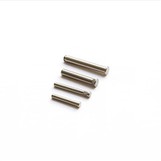
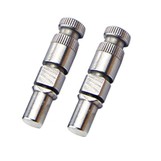
Fretting corrosion is a common and troublesome issue that can significantly affect the performance and lifespan of pin shafts. As a professional pin shaft supplier, I've witnessed firsthand the detrimental effects of fretting corrosion on these crucial components. In this blog post, I'll share some effective strategies to prevent fretting corrosion on pin shafts, drawing on my industry experience and knowledge.
Understanding Fretting Corrosion
Before delving into prevention methods, it's essential to understand what fretting corrosion is. Fretting corrosion occurs when two surfaces in contact with each other experience small, oscillatory movements. These movements cause mechanical wear and tear, which in turn exposes fresh metal surfaces to the environment. As a result, oxidation and corrosion can take place, leading to the formation of corrosion products and further degradation of the pin shaft.

The consequences of fretting corrosion can be severe. It can cause loss of material, dimensional changes, and reduced fatigue strength of the pin shaft. In some cases, it may even lead to complete failure of the component, resulting in costly downtime and repairs.
Factors Contributing to Fretting Corrosion
Several factors can contribute to the occurrence of fretting corrosion on pin shafts. These include:
- Vibration: Pin shafts in applications where there is significant vibration, such as automotive engines or industrial machinery, are more prone to fretting corrosion. The continuous vibration causes the surfaces in contact to move relative to each other, initiating the fretting process.
- Load: High loads applied to the pin shaft can increase the contact pressure between the surfaces, promoting fretting corrosion. Additionally, uneven loading can cause local stress concentrations, further exacerbating the problem.
- Surface Finish: Rough or uneven surface finishes can increase the friction between the pin shaft and the mating surface, leading to more significant fretting wear. A smooth surface finish can help reduce friction and minimize the risk of fretting corrosion.
- Environmental Conditions: Exposure to moisture, humidity, and corrosive chemicals can accelerate the corrosion process. In harsh environments, such as marine or chemical processing applications, pin shafts are particularly vulnerable to fretting corrosion.
Prevention Strategies
Now that we understand the causes of fretting corrosion, let's explore some effective prevention strategies that can be implemented to protect pin shafts.
Material Selection
Choosing the right material for the pin shaft is crucial in preventing fretting corrosion. Some materials are more resistant to corrosion than others, and selecting a corrosion-resistant material can significantly reduce the risk of fretting corrosion. For example, Stainless Steel Pin Shaft are a popular choice due to their excellent corrosion resistance. Stainless steel contains chromium, which forms a passive oxide layer on the surface of the material, protecting it from corrosion.
In addition to corrosion resistance, the material should also have good mechanical properties, such as high strength and hardness, to withstand the loads and stresses applied to the pin shaft. Other materials that can be considered for pin shafts include titanium alloys, which offer high strength-to-weight ratios and excellent corrosion resistance, and nickel-based alloys, which are highly resistant to corrosion in harsh environments.
Surface Treatment
Surface treatments can be applied to pin shafts to improve their resistance to fretting corrosion. One common surface treatment is the application of a protective coating. Coatings such as zinc, nickel, or chrome can provide a barrier between the pin shaft and the environment, preventing corrosion from occurring. These coatings can also reduce friction and wear, further protecting the pin shaft from fretting damage.
Another surface treatment option is nitriding. Nitriding is a heat treatment process that introduces nitrogen into the surface of the pin shaft, forming a hard, wear-resistant nitride layer. This layer can improve the pin shaft's resistance to fretting corrosion and increase its fatigue strength.
Lubrication
Proper lubrication is essential in preventing fretting corrosion on pin shafts. Lubricants can reduce friction between the surfaces in contact, minimizing the amount of wear and tear. They can also act as a barrier, preventing moisture and oxygen from reaching the metal surfaces and causing corrosion.
When selecting a lubricant, it's important to choose one that is compatible with the materials of the pin shaft and the mating surface. The lubricant should also have good anti-wear and anti-corrosion properties. Greases are often used for pin shaft lubrication because they can provide long-lasting lubrication and protection.
Design Considerations
The design of the pin shaft and its mating components can also play a significant role in preventing fretting corrosion. Here are some design considerations to keep in mind:
- Minimize Vibration: Design the system to minimize vibration as much as possible. This can be achieved by using vibration-damping materials or isolating the pin shaft from the source of vibration.
- Reduce Contact Pressure: Ensure that the contact pressure between the pin shaft and the mating surface is evenly distributed. This can be achieved by using proper bearing designs and ensuring that the pin shaft is properly aligned.
- Provide Adequate Clearance: Provide sufficient clearance between the pin shaft and the mating surface to allow for some movement without causing excessive friction or wear.
- Use Precision Components: Precision Pin Shaft with tight tolerances can help ensure a proper fit and reduce the risk of fretting corrosion. Precision machining can also result in a smoother surface finish, which can further reduce friction and wear.
Maintenance and Inspection
Regular maintenance and inspection are essential in preventing fretting corrosion on pin shafts. Here are some maintenance and inspection practices to follow:
- Clean the Pin Shaft: Regularly clean the pin shaft to remove any dirt, debris, or corrosion products that may have accumulated on the surface. This can help prevent the formation of corrosion and reduce the risk of fretting damage.
- Check the Lubrication: Check the lubrication level and condition regularly. If the lubricant is dirty or contaminated, it should be replaced. Additionally, ensure that the lubricant is applied evenly to all surfaces in contact.
- Inspect for Wear and Damage: Regularly inspect the pin shaft for signs of wear, damage, or corrosion. If any issues are detected, they should be addressed promptly to prevent further damage.
- Monitor the Operating Conditions: Monitor the operating conditions of the pin shaft, such as temperature, vibration, and load. Any significant changes in these conditions should be investigated to determine if they are contributing to fretting corrosion.
Conclusion
Fretting corrosion is a serious issue that can have a significant impact on the performance and lifespan of pin shafts. By understanding the causes of fretting corrosion and implementing the prevention strategies outlined in this blog post, you can effectively protect your pin shafts and ensure their reliable operation.
As a pin shaft supplier, I'm committed to providing high-quality pin shafts that are resistant to fretting corrosion. If you have any questions or need assistance in selecting the right pin shaft for your application, please don't hesitate to contact me. I'll be happy to help you find the best solution for your needs and guide you through the procurement process. Let's work together to ensure the success of your projects.

References
- "Corrosion Engineering" by Mars G. Fontana
- "Handbook of Tribology: Materials, Coatings, and Surface Treatments" edited by Bharat Bhushan
- "Fretting Fatigue: Current Technology and Practices" by Paul A. Michaud