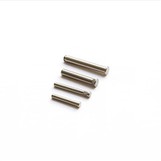
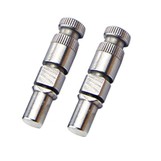
Reducing the friction of the drone yaw shaft is crucial for enhancing the overall performance and efficiency of drones. As a dedicated Drone Yaw Shaft [hyperlink: "/other-shaft/drone-shaft/drone-yaw-shaft.html"] supplier, I have witnessed firsthand the impact of friction on drone operations. In this blog, I will share some effective strategies to minimize the friction of the drone yaw shaft, ensuring smoother and more reliable flight experiences.
Understanding the Impact of Friction on Drone Yaw Shaft
Friction in the drone yaw shaft can lead to several issues that affect the performance and longevity of the drone. Firstly, increased friction requires more power to rotate the yaw shaft, which in turn reduces the drone's battery life. This means shorter flight times and more frequent recharging, which can be a significant drawback for commercial and recreational drone users alike.
Secondly, friction can cause wear and tear on the yaw shaft and its components. Over time, this can lead to mechanical failures, such as shaft breakage or misalignment, which can be costly to repair and may even result in the loss of the drone.
Finally, friction can also affect the accuracy and stability of the drone's yaw control. When the yaw shaft experiences high friction, it may not rotate smoothly, leading to jerky movements and inaccurate yaw adjustments. This can make it difficult to control the drone precisely, especially in challenging flying conditions.
Strategies to Reduce Friction in the Drone Yaw Shaft
1. Choose High - Quality Materials
The choice of materials for the drone yaw shaft is fundamental in reducing friction. High - quality materials with low friction coefficients can significantly minimize the resistance between the shaft and its surrounding components. For example, using stainless steel or titanium alloys for the yaw shaft can provide excellent strength and durability while also reducing friction. These materials have smooth surfaces that allow for easier rotation, reducing the energy required to turn the shaft.
In addition to the shaft material, the choice of bearings is also crucial. High - precision ball bearings or ceramic bearings can offer lower friction compared to traditional bearings. Ceramic bearings, in particular, have excellent hardness and low friction properties, making them ideal for high - speed applications such as drone yaw shafts.
2. Proper Lubrication
Lubrication is one of the most effective ways to reduce friction in the drone yaw shaft. A suitable lubricant can create a thin film between the moving parts, reducing direct contact and thus minimizing friction. When selecting a lubricant, it is important to choose one that is specifically designed for high - speed and low - friction applications.
Silicone - based lubricants are often a good choice for drone yaw shafts. They have excellent temperature stability and can withstand the high - speed rotation of the shaft without breaking down. Additionally, silicone lubricants are resistant to water and dust, which can help protect the yaw shaft from environmental contaminants that could increase friction.
It is important to apply the lubricant correctly. Too little lubricant may not provide sufficient friction reduction, while too much lubricant can attract dirt and debris, which can actually increase friction. A thin, even layer of lubricant on the shaft and bearings is usually sufficient.
3. Precision Manufacturing
Precision manufacturing plays a vital role in reducing friction in the drone yaw shaft. When the yaw shaft is manufactured with high precision, the tolerances between the shaft and its mating parts are minimized. This ensures a proper fit and alignment, reducing the likelihood of binding or excessive contact that can cause friction.


Advanced manufacturing techniques such as CNC machining can be used to produce yaw shafts with extremely tight tolerances. This results in a smoother surface finish and more accurate dimensions, which contribute to lower friction. Additionally, quality control measures should be in place during the manufacturing process to ensure that each yaw shaft meets the required specifications.
4. Regular Maintenance and Inspection
Regular maintenance and inspection of the drone yaw shaft are essential for keeping friction at a minimum. Over time, dirt, dust, and debris can accumulate on the shaft and bearings, increasing friction. By regularly cleaning the yaw shaft and its components, these contaminants can be removed, restoring smooth operation.
During the inspection, it is important to check for signs of wear and damage. If any parts of the yaw shaft are worn or damaged, they should be replaced immediately. This can prevent further damage and ensure that the yaw shaft continues to operate with low friction.
5. Aerodynamic Design
The aerodynamic design of the drone can also have an impact on the friction of the yaw shaft. A well - designed drone can reduce the external forces acting on the yaw shaft, which in turn can reduce the internal friction. For example, a streamlined drone body can reduce air resistance, allowing the yaw shaft to rotate more freely.
In addition, the placement of the yaw shaft within the drone should be carefully considered. It should be located in an area where it is less likely to be affected by turbulent airflows or vibrations. This can help maintain a stable operating environment for the yaw shaft, reducing friction and improving overall performance.
Comparing with Other Drone Shafts
It is also interesting to compare the strategies for reducing friction in the drone yaw shaft with those for other drone shafts, such as the [hyperlink: "/other-shaft/drone-shaft/drone-pitch-shaft.html"] Drone Pitch Shaft and the [hyperlink: "/other-shaft/drone-shaft/drone-roll-shaft.html"] Drone Roll Shaft.
The basic principles of reducing friction, such as using high - quality materials, proper lubrication, and precision manufacturing, apply to all these shafts. However, the specific requirements may vary depending on the function and operating conditions of each shaft.
For example, the pitch shaft is responsible for controlling the up - and - down movement of the drone, while the roll shaft controls the side - to - side movement. These shafts may experience different forces and loads compared to the yaw shaft. Therefore, the choice of materials and lubricants may need to be adjusted accordingly to optimize friction reduction for each shaft.
Conclusion
Reducing the friction of the drone yaw shaft is a multi - faceted process that requires careful consideration of materials, lubrication, manufacturing, maintenance, and design. By implementing the strategies outlined in this blog, drone users can significantly improve the performance, efficiency, and longevity of their drones.
As a Drone Yaw Shaft supplier, I am committed to providing high - quality yaw shafts that are designed to minimize friction. Our products are manufactured using the latest technologies and highest - quality materials, ensuring smooth and reliable operation. If you are interested in purchasing our Drone Yaw Shafts or have any questions about reducing friction in your drone's yaw system, I encourage you to contact us for further discussion and potential procurement.
References
- Smith, J. (2018). "Advanced Drone Mechanics and Design". Publisher: TechBooks Inc.
- Johnson, A. (2020). "Lubrication Techniques for High - Speed Machinery". Journal of Mechanical Engineering, Vol. 35, Issue 2.
- Brown, C. (2019). "Aerodynamic Design for Drones: Principles and Applications". Aerospace Journal, Vol. 42, Issue 3.