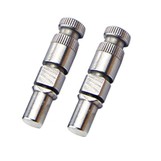
Hey there! As a robot shaft supplier, I've seen firsthand how crucial it is to optimize the design of a robot shaft. In this blog post, I'll share some tips and tricks on how to do just that.
First off, let's talk about what a robot shaft is and why it's so important. A robot shaft is a key component in a robot's mechanical system. It's responsible for transmitting power and motion from the motor to the various parts of the robot, like the joints and arms. Without a well-designed shaft, a robot wouldn't be able to move efficiently or accurately.
Material Selection
One of the first steps in optimizing the design of a robot shaft is choosing the right material. The material you select will depend on a few factors, such as the robot's application, the load it will carry, and the environment it will operate in.
For light-duty robots that operate in clean, dry environments, aluminum might be a good choice. It's lightweight, corrosion-resistant, and relatively inexpensive. On the other hand, if your robot is going to be used in a heavy-duty application where it needs to withstand high loads and stresses, steel might be a better option. Steel is strong, durable, and can handle a lot of wear and tear.
Another material to consider is titanium. Titanium is incredibly strong, lightweight, and has excellent corrosion resistance. However, it's also more expensive than aluminum and steel. So, you'll need to weigh the benefits against the cost when deciding if titanium is the right choice for your robot shaft.
Shaft Geometry
The geometry of the robot shaft also plays a big role in its performance. The diameter, length, and shape of the shaft can all affect how well it transfers power and motion.

When it comes to diameter, you'll want to choose a size that's appropriate for the load the shaft will carry. A shaft that's too small might not be able to handle the stress, while a shaft that's too large could add unnecessary weight and cost to the robot.
The length of the shaft is also important. A longer shaft might be needed to reach certain parts of the robot, but it can also increase the risk of deflection and vibration. You'll need to find the right balance between length and stability to ensure optimal performance.
As for shape, there are several options to choose from, such as round, square, and hexagonal. Round shafts are the most common because they're easy to manufacture and can rotate smoothly. Square and hexagonal shafts, on the other hand, can provide better torque transmission and are less likely to slip.
Tolerance and Surface Finish
Tolerance and surface finish are two other important factors to consider when optimizing the design of a robot shaft. Tolerance refers to the allowable deviation from the specified dimensions of the shaft. A tight tolerance ensures a precise fit between the shaft and other components, which can improve the robot's performance and reliability.
Surface finish, on the other hand, refers to the smoothness of the shaft's surface. A smooth surface finish can reduce friction and wear, which can extend the lifespan of the shaft and other components. You'll want to choose a surface finish that's appropriate for the application and the material of the shaft.
Bearing Selection
The bearings used in the robot shaft are also crucial for its performance. Bearings support the shaft and allow it to rotate smoothly. There are several types of bearings to choose from, such as ball bearings, roller bearings, and sleeve bearings.
Ball bearings are the most common type of bearing used in robot shafts. They're lightweight, have low friction, and can handle both radial and axial loads. Roller bearings, on the other hand, are better suited for heavy-duty applications where they need to handle high loads. Sleeve bearings are a good choice for applications where noise and vibration need to be minimized.
When selecting bearings, you'll need to consider factors such as the load, speed, and operating environment. You'll also want to choose bearings that are compatible with the material and geometry of the shaft.
Lubrication
Proper lubrication is essential for the smooth operation of the robot shaft. Lubrication reduces friction and wear, which can extend the lifespan of the shaft and other components. There are several types of lubricants to choose from, such as oil, grease, and dry lubricants.
Oil lubrication is the most common method used in robot shafts. It provides good lubrication and cooling, and can be easily applied and removed. Grease lubrication, on the other hand, is a good choice for applications where the shaft needs to be lubricated for a long time without frequent maintenance. Dry lubricants, such as graphite and PTFE, are a good option for applications where oil or grease might not be suitable, such as in cleanroom environments.
When choosing a lubricant, you'll need to consider factors such as the operating temperature, load, and speed of the shaft. You'll also want to choose a lubricant that's compatible with the material and surface finish of the shaft.
Dynamic Balancing
Dynamic balancing is another important step in optimizing the design of a robot shaft. Dynamic balancing involves adjusting the mass distribution of the shaft to reduce vibration and improve its performance.
Vibration can cause a lot of problems in a robot, such as reduced accuracy, increased wear and tear, and even damage to the components. By dynamically balancing the shaft, you can reduce vibration and ensure smooth operation.
There are several methods for dynamic balancing, such as adding or removing mass from the shaft, or using a balancing machine. The method you choose will depend on the size and complexity of the shaft, as well as the available equipment and resources.
Cost Optimization
While optimizing the design of the robot shaft is important, it's also essential to keep cost in mind. You'll want to find the right balance between performance and cost to ensure that your robot is both efficient and affordable.
One way to optimize cost is to choose the right material and manufacturing process. As I mentioned earlier, different materials have different costs, so you'll need to choose a material that meets your requirements without breaking the bank. You'll also want to choose a manufacturing process that's efficient and cost-effective.
Another way to optimize cost is to reduce the number of components and simplify the design of the robot shaft. By reducing the number of parts, you can reduce the cost of manufacturing, assembly, and maintenance.
Conclusion
Optimizing the design of a robot shaft is a complex process that requires careful consideration of several factors, such as material selection, shaft geometry, tolerance and surface finish, bearing selection, lubrication, dynamic balancing, and cost optimization. By following these tips and tricks, you can ensure that your robot shaft performs at its best and meets your requirements.
If you're in the market for a high-quality robot shaft, look no further! We're a leading Robot Main Shaft supplier with years of experience in the industry. Our team of experts can help you choose the right shaft for your application and ensure that it's optimized for performance and cost. Contact us today to learn more and start the procurement process!
References
- "Mechanical Design Handbook" by Joseph Edward Shigley
- "Fundamentals of Machine Elements" by Robert C. Juvinall and Kurt M. Marshek
- "Robotics: Modelling, Planning and Control" by Bruno Siciliano, Lorenzo Sciavicco, Luigi Villani, and Giuseppe Oriolo