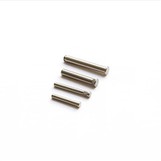
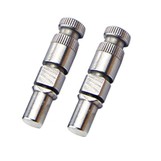
Hey there! I'm a supplier of pin shafts, and today I'm gonna walk you through the process of replacing a broken pin shaft. Whether you're a DIY enthusiast or a professional mechanic, this guide will help you get the job done right.
Why Replace a Broken Pin Shaft?
First off, let's talk about why you might need to replace a pin shaft. Pin shafts are used in a wide range of applications, from machinery and equipment to automotive and aerospace. They play a crucial role in transmitting power, providing support, and enabling movement. When a pin shaft breaks, it can cause serious problems, such as reduced performance, increased wear and tear, and even safety hazards. That's why it's important to replace a broken pin shaft as soon as possible to avoid further damage.


Tools and Materials You'll Need
Before you start replacing the pin shaft, you'll need to gather the necessary tools and materials. Here's a list of what you'll need:
- New pin shaft: Make sure you choose the right size and type of pin shaft for your application. You can find a wide range of pin shafts on our website, including Precision Pin Shaft and Stainless Steel SUS304 SUS316 Precision Knurled Shaft.
- Wrenches and sockets: You'll need a set of wrenches and sockets to remove and install the pin shaft. Make sure you choose the right size and type of wrenches and sockets for your application.
- Hammer: You'll need a hammer to tap the pin shaft out of its housing. Make sure you use a soft-faced hammer to avoid damaging the pin shaft or its housing.
- Lubricant: You'll need a lubricant to help the pin shaft slide into its housing. You can use a general-purpose lubricant, such as WD-40, or a specialized lubricant, such as anti-seize compound.
- Safety glasses and gloves: You'll need to wear safety glasses and gloves to protect your eyes and hands from debris and sharp edges.
Step-by-Step Guide to Replacing a Broken Pin Shaft
Now that you have all the necessary tools and materials, it's time to start replacing the pin shaft. Here's a step-by-step guide to help you through the process:
- Prepare the work area: Make sure the work area is clean, well-lit, and free of debris. You may want to lay down a drop cloth or some newspaper to catch any oil or debris that may fall during the process.
- Remove the old pin shaft: Use the wrenches and sockets to remove the bolts or nuts that hold the pin shaft in place. Once the bolts or nuts are removed, use the hammer to tap the pin shaft out of its housing. Be careful not to damage the pin shaft or its housing.
- Clean the housing: Use a clean cloth or a brush to clean the housing where the pin shaft was located. Make sure the housing is free of debris, oil, and dirt.
- Inspect the new pin shaft: Before installing the new pin shaft, inspect it for any damage or defects. Make sure the pin shaft is the right size and type for your application.
- Lubricate the new pin shaft: Apply a small amount of lubricant to the new pin shaft. This will help the pin shaft slide into its housing more easily.
- Install the new pin shaft: Insert the new pin shaft into its housing. Use the hammer to tap the pin shaft gently until it is fully seated in its housing. Make sure the pin shaft is aligned properly and that it is not binding or rubbing against any other parts.
- Tighten the bolts or nuts: Use the wrenches and sockets to tighten the bolts or nuts that hold the pin shaft in place. Make sure the bolts or nuts are tightened to the proper torque specification.
- Test the new pin shaft: Once the new pin shaft is installed, test it to make sure it is working properly. You can do this by moving the part that the pin shaft is connected to and checking for any signs of binding or rubbing.
Tips and Tricks
Here are some tips and tricks to help you replace a broken pin shaft more easily and safely:
- Use the right tools: Make sure you use the right tools for the job. Using the wrong tools can damage the pin shaft or its housing and make the job more difficult.
- Be careful not to over-tighten the bolts or nuts: Over-tightening the bolts or nuts can damage the pin shaft or its housing and cause it to fail prematurely. Make sure you tighten the bolts or nuts to the proper torque specification.
- Use a lubricant: Applying a small amount of lubricant to the new pin shaft will help it slide into its housing more easily and reduce the risk of damage.
- Inspect the pin shaft regularly: Regularly inspect the pin shaft for any signs of wear, damage, or corrosion. This will help you identify any problems early and prevent them from becoming more serious.
Conclusion
Replacing a broken pin shaft is a relatively simple process that can be done by anyone with basic mechanical skills. By following the steps outlined in this guide and using the right tools and materials, you can replace a broken pin shaft quickly and easily. If you have any questions or need further assistance, please don't hesitate to contact us. We're here to help you find the right pin shaft for your application and to provide you with the support and guidance you need to get the job done right.
References
- Machinery's Handbook, 31st Edition
- Automotive Repair Manuals
- Industrial Equipment Maintenance Guides