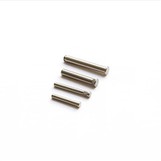
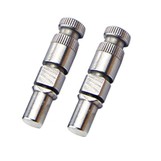
Hey there! As an eccentric shaft supplier, I've seen firsthand the importance of proper lubrication methods for these crucial components. Eccentric shafts are widely used in various industrial applications, from automotive engines to industrial machinery. They play a vital role in converting rotary motion into linear motion or vice versa, providing the necessary offset for smooth and efficient operation. In this blog post, I'll share some common lubrication methods for eccentric shafts that can help extend their lifespan and improve performance.
1. Oil Bath Lubrication
Oil bath lubrication is one of the most traditional and commonly used methods for lubricating eccentric shafts. In this method, the eccentric shaft is partially submerged in an oil reservoir. As the shaft rotates, it picks up the oil, which then forms a thin film on its surface. This oil film provides a smooth and low - friction surface between the shaft and its mating parts, reducing wear and tear.
The main advantage of oil bath lubrication is its simplicity and reliability. It requires minimal maintenance, as the oil reservoir can hold a sufficient amount of lubricant for extended periods. However, it also has some drawbacks. For instance, if the oil level is too high, it can cause excessive churning, leading to increased power consumption and heat generation. On the other hand, if the oil level is too low, it may not provide adequate lubrication.
To ensure optimal performance with oil bath lubrication, it's important to monitor the oil level regularly and change the oil according to the manufacturer's recommendations. Also, using high - quality oil with the right viscosity for the specific application is crucial. You can check out our Precision Eccentric Shaft for applications where oil bath lubrication might be suitable.
2. Splash Lubrication
Splash lubrication is another widely used method, especially in engines and some industrial applications. In this method, rotating parts within the system, such as gears or flywheels, dip into an oil sump and splash the oil onto the eccentric shaft and other components. This splashed oil provides lubrication and cooling to the shaft.
One of the benefits of splash lubrication is that it can easily reach hard - to - access areas of the eccentric shaft. It also doesn't require complex lubrication systems. However, similar to oil bath lubrication, the amount of oil splashed onto the shaft can be inconsistent. There could be areas that receive too much oil, while others may not get enough.
To make splash lubrication work well, the design of the system should ensure that the rotating parts are properly positioned to splash the oil effectively. Also, the oil quality needs to be maintained to prevent contaminants from causing damage to the shaft. For cases where splash lubrication is preferred, our Stainless Steel Eccentric Shaft can be a great choice due to its corrosion - resistant properties.
3. Forced Lubrication
Forced lubrication, also known as pressure lubrication, is a more advanced and reliable method of lubricating eccentric shafts. In this system, an oil pump is used to circulate oil under pressure to the shaft and its associated components. The oil is delivered through a network of passages and nozzles directly to the areas that require lubrication.
The big advantage of forced lubrication is that it can provide a consistent and precise amount of lubrication to the eccentric shaft. It can also handle high - speed and high - load applications better compared to oil bath and splash lubrication methods. The oil flow can be adjusted according to the operating conditions, ensuring optimal lubrication at all times.
However, forced lubrication systems are more complex and expensive to install and maintain. They require an oil pump, filters, and a well - designed oil delivery system. Any malfunction in the pump or the delivery system can lead to inadequate lubrication, which can cause serious damage to the shaft.
4. Grease Lubrication
Grease lubrication is commonly used in applications where oil lubrication may not be practical. Grease is a semi - solid lubricant that consists of a base oil, a thickener, and additives. It can be applied directly to the eccentric shaft, either during assembly or through grease fittings.
The advantage of grease lubrication is its ability to stay in place for a long time. It provides good sealing properties, preventing contaminants from entering and protecting the shaft from corrosion. It also requires less frequent re - lubrication compared to oil - based methods.
On the downside, grease has limited heat - dissipation capabilities. As the temperature rises, the consistency of the grease can change, reducing its lubrication effectiveness. Also, if too much grease is applied, it can cause overheating due to increased friction.
Choosing the Right Lubrication Method
When choosing the right lubrication method for an eccentric shaft, several factors need to be considered. The operating speed of the shaft is an important factor. High - speed shafts typically require forced lubrication to ensure continuous and sufficient lubrication. Load is another critical factor. Heavier loads demand more effective lubrication to prevent excessive wear.


The environment in which the eccentric shaft operates also matters. In dirty or dusty environments, grease lubrication may be a better choice as it can provide better protection against contaminants. On the other hand, in high - temperature environments, an oil with high - temperature stability might be necessary for oil - based lubrication methods.
Monitoring and Maintenance
Regardless of the lubrication method chosen, regular monitoring and maintenance are essential for the proper functioning of the eccentric shaft. For oil - based lubrication methods, oil analysis should be carried out periodically to check for contaminants, wear metals, and changes in viscosity. This helps in determining when the oil needs to be changed.
For grease - lubricated shafts, the condition of the grease should be inspected regularly. If the grease shows signs of hardening, leaking, or contamination, it should be replaced.
In addition, the shaft itself should be inspected for signs of wear, such as scoring or pitting. Any abnormal noises or vibrations during operation could indicate a lubrication problem or other issues with the shaft, and they should be investigated immediately.
Conclusion
Proper lubrication of eccentric shafts is crucial for their long - term performance and reliability. Each lubrication method has its own advantages and disadvantages, and the right choice depends on various factors such as operating speed, load, and environment. As an eccentric shaft supplier, we understand the importance of these factors and can help you choose the most suitable solution for your specific application.
If you're in the market for high - quality eccentric shafts or need more advice on lubrication methods, don't hesitate to reach out. We're here to assist you in making the best decisions for your industrial needs. Whether it's our Precision Eccentric Shaft or Stainless Steel Eccentric Shaft, we've got you covered. Contact us today to start a procurement conversation and find the perfect eccentric shafts for your projects.
References
- "Machinery's Handbook" by Industrial Press Inc.
- "Lubrication Engineering Handbook" by John W. Hastings.