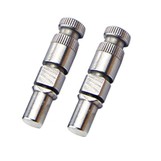
As a supplier of hard chrome shafts, I've witnessed firsthand the importance of chrome coating adhesion in ensuring the performance and longevity of these components. Chrome coating not only enhances the appearance of hard chrome shafts but also provides essential properties such as corrosion resistance, wear resistance, and low friction. However, over time, various factors can lead to the loss of chrome coating adhesion, which can significantly impact the functionality of the shaft. In this blog, I'll discuss the signs of chrome coating adhesion loss on a hard chrome shaft and why it's crucial to address these issues promptly.
Visual Inspection
One of the most obvious signs of chrome coating adhesion loss is visible damage on the surface of the shaft. This can include peeling, flaking, or chipping of the chrome layer. When the coating starts to peel, it exposes the underlying substrate, which is vulnerable to corrosion and wear. In some cases, you may notice small cracks in the chrome coating, which can be an early indication of adhesion problems. These cracks can allow moisture and contaminants to penetrate the coating, further compromising its integrity.
Another visual sign to look out for is blistering. Blisters can form on the surface of the chrome coating due to the presence of gas or moisture trapped between the coating and the substrate. As the blisters grow, they can cause the coating to lift off the shaft, leading to adhesion failure. If you notice any blisters on the surface of a hard chrome shaft, it's important to investigate the cause and take appropriate action to prevent further damage.
Surface Roughness Changes
A hard chrome shaft with good coating adhesion typically has a smooth and uniform surface finish. However, when the coating starts to lose adhesion, the surface roughness can change significantly. You may notice an increase in surface roughness, which can be felt by running your finger along the shaft. This change in surface roughness can affect the performance of the shaft, especially in applications where low friction is critical.
In addition to an increase in surface roughness, you may also observe irregularities or pits on the surface of the shaft. These pits can be caused by the detachment of the chrome coating in certain areas, exposing the underlying substrate. Pitting can lead to increased wear and friction, which can reduce the efficiency and lifespan of the shaft.

Corrosion and Rust
Chrome coating is known for its excellent corrosion resistance properties. However, when the coating loses adhesion, the underlying substrate is exposed to the environment, making it susceptible to corrosion and rust. If you notice any signs of corrosion or rust on the surface of a hard chrome shaft, it's a clear indication that the chrome coating has lost its adhesion.
Corrosion can start as small spots or discoloration on the surface of the shaft and gradually spread over time. In severe cases, corrosion can cause the chrome coating to peel off completely, leaving the shaft vulnerable to further damage. It's important to address corrosion issues as soon as possible to prevent the spread of rust and protect the integrity of the shaft.
Performance Issues
The loss of chrome coating adhesion can also have a significant impact on the performance of a hard chrome shaft. In applications where the shaft is used for linear motion, such as in a hydraulic cylinder or a guide rail, adhesion loss can cause the shaft to bind or stick. This can lead to increased friction, reduced efficiency, and premature wear of the components.
In addition, adhesion loss can also affect the dimensional accuracy of the shaft. As the coating peels or flakes off, the diameter of the shaft may change, which can cause fitment issues in the assembly. This can lead to increased vibration, noise, and reduced performance of the overall system.
Causes of Chrome Coating Adhesion Loss
There are several factors that can contribute to the loss of chrome coating adhesion on a hard chrome shaft. One of the most common causes is improper surface preparation before the chrome plating process. If the surface of the shaft is not properly cleaned and degreased, the chrome coating may not adhere properly to the substrate.
Another factor that can affect adhesion is the quality of the chrome plating bath. If the plating bath contains impurities or contaminants, it can affect the adhesion of the chrome coating. In addition, the plating process parameters, such as temperature, current density, and plating time, need to be carefully controlled to ensure proper coating adhesion.
Environmental factors can also play a role in chrome coating adhesion loss. Exposure to high humidity, chemicals, or abrasive materials can cause the coating to deteriorate over time. In addition, mechanical stress, such as excessive load or vibration, can also cause the coating to peel or flake off.
Preventing Chrome Coating Adhesion Loss
To prevent chrome coating adhesion loss, it's important to take several preventive measures. First, ensure that the surface of the shaft is properly prepared before the chrome plating process. This includes cleaning and degreasing the surface to remove any dirt, oil, or contaminants. Additionally, the surface may need to be etched or roughened to improve the adhesion of the chrome coating.
Second, use high-quality chrome plating materials and equipment. Ensure that the plating bath is properly maintained and monitored to prevent the introduction of impurities or contaminants. Follow the recommended plating process parameters to ensure a uniform and well-adhered chrome coating.
Finally, protect the hard chrome shaft from environmental factors that can cause adhesion loss. This may include using protective coatings or lubricants, storing the shaft in a dry and clean environment, and avoiding exposure to harsh chemicals or abrasive materials.
Conclusion
As a supplier of Hard Chrome Linear Shaft, I understand the importance of chrome coating adhesion in ensuring the performance and reliability of our products. By being aware of the signs of chrome coating adhesion loss, you can take proactive measures to address these issues and prevent further damage to your hard chrome shafts.
If you notice any of the signs mentioned in this blog, it's important to contact a professional for further inspection and evaluation. Our team of experts can provide you with the necessary guidance and solutions to restore the integrity of your hard chrome shafts and ensure their continued performance.
If you're in the market for high-quality hard chrome shafts or have any questions about chrome coating adhesion, please don't hesitate to [contact us](insert appropriate contact information here). We're here to help you find the right solutions for your specific needs.
References
- "Handbook of Hard Chrome Plating" by William G. Mallory
- "Chrome Plating Technology" by Robert O. Marsh
- "Surface Engineering for Corrosion and Wear Resistance" by R. C. Reed and D. A. Woodford