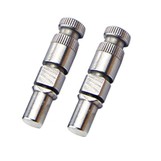
As a supplier of solid shafts, I understand how crucial waterproofing is for these essential components. Solid shafts are used in a wide range of industries, from automotive to marine, and in many cases, they are exposed to water or high - humidity environments. Effective waterproofing not only extends the lifespan of the solid shaft but also ensures its optimal performance. In this blog, I'll discuss several waterproofing methods for solid shafts.
1. Coating Application
One of the most common and effective ways to waterproof a solid shaft is by applying a protective coating. There are various types of coatings available, each with its own advantages.
Paint Coatings
Paint is a widely used option for waterproofing. It is relatively inexpensive and can be easily applied. Epoxy - based paints are particularly popular for solid shafts. They form a tough, durable barrier that resists water penetration. Epoxy paints can adhere well to the surface of the shaft, providing long - term protection.
To apply a paint coating, the shaft surface must be properly prepared. This involves cleaning the shaft to remove any dirt, grease, or rust. Sandblasting or chemical cleaning can be used to ensure a smooth and clean surface. After preparation, the paint can be applied using methods such as spraying, brushing, or dipping. However, paint coatings may have some limitations. They can be damaged by abrasion or impact, which may expose the shaft to water.
Powder Coatings
Powder coatings are another excellent choice for waterproofing solid shafts. This process involves applying a dry powder to the shaft surface, which is then heated to form a hard, protective layer. Powder coatings offer several benefits. They are highly resistant to chipping, scratching, and corrosion. They also provide a more uniform finish compared to paint coatings.
The application of powder coatings requires specialized equipment. First, the shaft is pre - heated to a specific temperature. Then, the powder is electrostatically charged and sprayed onto the shaft. The charged powder adheres to the shaft surface, and when heated in an oven, it melts and fuses to form a continuous coating. Powder coatings are available in a variety of colors and finishes, allowing for customization. You can learn more about high - quality solid shafts suitable for powder - coating at Precision Solid Shaft.
2. Galvanization
Galvanization is a process of applying a zinc coating to the solid shaft. Zinc is a sacrificial metal, which means that in the presence of water and oxygen, it corrodes preferentially to the underlying metal of the shaft. This provides an extra layer of protection against rust and corrosion.
There are two main methods of galvanization: hot - dip galvanizing and electro - galvanizing.
Hot - Dip Galvanizing
In hot - dip galvanizing, the solid shaft is immersed in a bath of molten zinc at a temperature of around 450°C. The zinc reacts with the surface of the shaft to form a series of zinc - iron alloy layers. This process creates a thick and durable coating that can provide long - term protection, even in harsh environments.
Hot - dip galvanized shafts are commonly used in outdoor applications, such as in construction and agriculture. However, the process can be relatively expensive and may change the dimensions of the shaft slightly due to the thickness of the zinc coating.
Electro - Galvanizing
Electro - galvanizing is a more precise method. It involves using an electric current to deposit a thin layer of zinc onto the shaft surface. This method allows for better control over the thickness of the coating. Electro - galvanized shafts have a smoother finish compared to hot - dip galvanized ones. They are often used in applications where a more aesthetically pleasing appearance is required, such as in some automotive components.
3. Sealing and Gasketing
In addition to surface coatings, proper sealing and gasketing can play a vital role in waterproofing solid shafts.
O - Rings
O - rings are circular seals made of rubber or other elastomeric materials. They are commonly used to prevent water from entering the areas where the shaft passes through a housing or a component. O - rings are placed in grooves around the shaft, creating a tight seal when compressed.
The selection of the right O - ring material is crucial. For example, in applications where the shaft is exposed to high - temperature water, a silicone or fluorocarbon rubber O - ring may be more suitable. In general, O - rings need to be properly sized and installed to ensure an effective seal.
Gaskets
Gaskets are flat seals that are used to prevent water leakage between two mating surfaces. For solid shafts, gaskets can be used at the joints or connections. They are made from materials such as rubber, cork, or metal.
When using gaskets, it is important to ensure that the mating surfaces are clean and flat. Any irregularities on the surfaces can cause the gasket to fail, allowing water to penetrate.
4. Material Selection
Choosing the right material for the solid shaft can also contribute to its waterproofing capabilities.
Stainless Steel Solid Shafts
Stainless steel is a popular choice for applications where waterproofing is a concern. Stainless steel contains chromium, which forms a passive oxide layer on the surface of the shaft. This layer acts as a barrier against water and oxygen, preventing rust and corrosion.
There are different grades of stainless steel, each with its own level of corrosion resistance. For example, 304 stainless steel is commonly used in general - purpose applications, while 316 stainless steel, which contains molybdenum, offers better resistance to pitting and crevice corrosion in chloride - rich environments, such as in marine applications. You can explore our range of Stainless Steel Solid Shaft for high - quality options.
Non - Ferrous Metals
Non - ferrous metals, such as aluminum and brass, are also resistant to corrosion. Aluminum forms a thin oxide layer on its surface, which protects it from water. Brass, an alloy of copper and zinc, has good corrosion resistance and is often used in applications where a combination of strength and corrosion resistance is required.
Conclusion
In conclusion, there are multiple ways to waterproof solid shafts, and the choice of method depends on various factors such as the application environment, budget, and performance requirements. Coating applications, galvanization, sealing and gasketing, and proper material selection all play important roles in ensuring the long - term waterproofing of solid shafts.


If you are in the market for high - quality solid shafts and need advice on the best waterproofing methods for your specific application, I encourage you to reach out for a procurement discussion. We have a team of experts who can provide you with detailed information and help you make the right choice.
References
- "Corrosion Resistance of Metals and Alloys" by David A. Jones
- "Handbook of Seal Technology" by John H. Birkle
- "Surface Engineering for Corrosion and Wear Resistance" by W. G. Sly