As a seasoned pin shaft supplier, I've witnessed firsthand the various challenges that can lead to pin shaft breakage. Pin shafts are crucial components in numerous mechanical systems, from automotive engines to industrial machinery. Understanding the causes of pin shaft breakage is essential for ensuring the reliability and longevity of these systems. In this blog post, I'll delve into the common factors that can cause a pin shaft to break, drawing on my years of experience in the industry.
Material Defects
One of the primary causes of pin shaft breakage is material defects. These defects can occur during the manufacturing process or as a result of improper handling or storage. Common material defects include inclusions, voids, and cracks. Inclusions are foreign particles that are trapped within the material during the casting or forging process. These particles can act as stress concentrators, causing the pin shaft to fail under load. Voids are empty spaces within the material, which can also reduce the strength of the pin shaft. Cracks can occur due to improper heat treatment or mechanical damage. These cracks can propagate under stress, leading to catastrophic failure.
To mitigate the risk of material defects, it's essential to source high-quality materials from reputable suppliers. At our company, we only use materials that meet strict quality standards and undergo rigorous testing before being used in production. We also employ advanced manufacturing techniques to minimize the risk of defects during the production process. For example, we use precision machining to ensure that the pin shafts are manufactured to exact specifications, reducing the likelihood of stress concentrations.


Fatigue Failure
Fatigue failure is another common cause of pin shaft breakage. Fatigue occurs when a pin shaft is subjected to repeated loading and unloading cycles over time. These cycles can cause microscopic cracks to form in the material, which gradually grow and eventually lead to failure. Fatigue failure is often characterized by a smooth, polished surface on the fracture face, indicating that the failure occurred gradually over time.
Several factors can contribute to fatigue failure, including the magnitude and frequency of the applied load, the material properties of the pin shaft, and the presence of stress concentrations. To prevent fatigue failure, it's important to design the pin shaft to withstand the expected loading conditions. This may involve increasing the diameter of the pin shaft, using a higher-strength material, or reducing the stress concentrations by using fillets or chamfers.
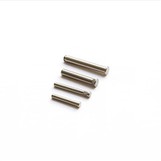
At our company, we offer a range of Precision Pin Shaft that are designed to withstand high-stress applications. Our pin shafts are manufactured using advanced materials and manufacturing techniques to ensure maximum strength and durability. We also offer custom design services to meet the specific requirements of our customers, ensuring that the pin shafts are optimized for their intended application.
Overloading
Overloading is another common cause of pin shaft breakage. Overloading occurs when a pin shaft is subjected to a load that exceeds its design capacity. This can happen due to a variety of reasons, such as improper installation, incorrect operation, or unexpected external forces. Overloading can cause the pin shaft to deform or break, leading to system failure.
To prevent overloading, it's important to ensure that the pin shaft is properly installed and operated within its design limits. This may involve following the manufacturer's installation instructions, using the correct tools and equipment, and avoiding overloading the system. It's also important to regularly inspect the pin shaft for signs of wear or damage and replace it if necessary.
At our company, we provide detailed installation and maintenance instructions with all of our pin shafts to ensure that they are installed and operated correctly. We also offer technical support to our customers to help them troubleshoot any issues that may arise. Our team of experienced engineers can provide guidance on the selection and installation of the right pin shaft for your application, ensuring that it meets your specific requirements.
Corrosion
Corrosion is another factor that can cause pin shaft breakage. Corrosion occurs when the pin shaft is exposed to a corrosive environment, such as moisture, chemicals, or saltwater. Corrosion can cause the material to degrade over time, reducing its strength and increasing the risk of failure.
To prevent corrosion, it's important to choose the right material for the application and to protect the pin shaft from the corrosive environment. This may involve using a corrosion-resistant material, such as stainless steel, or applying a protective coating to the pin shaft. It's also important to regularly inspect the pin shaft for signs of corrosion and take appropriate measures to prevent further damage.
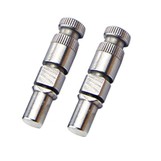
At our company, we offer a range of Stainless Steel SUS304 SUS316 Precision Knurled Shaft that are highly resistant to corrosion. Our stainless steel pin shafts are manufactured using high-quality materials and advanced manufacturing techniques to ensure maximum durability and performance. We also offer custom coating services to provide additional protection against corrosion, ensuring that the pin shafts are suitable for use in even the most challenging environments.
Improper Installation
Improper installation is another common cause of pin shaft breakage. Improper installation can cause the pin shaft to be misaligned, over-tightened, or under-tightened, leading to increased stress and the risk of failure. It's important to follow the manufacturer's installation instructions carefully and to use the correct tools and equipment to ensure that the pin shaft is installed correctly.
At our company, we provide detailed installation instructions with all of our pin shafts to ensure that they are installed correctly. We also offer technical support to our customers to help them troubleshoot any issues that may arise during the installation process. Our team of experienced engineers can provide guidance on the selection and installation of the right pin shaft for your application, ensuring that it meets your specific requirements.
Conclusion
In conclusion, there are several factors that can cause a pin shaft to break, including material defects, fatigue failure, overloading, corrosion, and improper installation. As a pin shaft supplier, it's our responsibility to provide high-quality products that are designed to withstand the expected loading conditions and to provide our customers with the support and guidance they need to ensure that the pin shafts are installed and operated correctly.
If you're experiencing problems with pin shaft breakage or if you're looking for a reliable pin shaft supplier, please don't hesitate to contact us. We'd be happy to discuss your specific requirements and to provide you with a quote for our products and services. Our team of experienced engineers can also provide you with technical support and guidance to help you choose the right pin shaft for your application.
References
- Callister, W. D., & Rethwisch, D. G. (2012). Materials Science and Engineering: An Introduction. Wiley.
- Shigley, J. E., Mischke, C. R., & Budynas, R. G. (2004). Mechanical Engineering Design. McGraw-Hill.
- Dieter, G. E. (1988). Mechanical Metallurgy. McGraw-Hill.