Hey there! As a supplier of linear shafts, I often get asked about the difference between linear shafts and regular shafts. It's a great question, and one that can help you understand which type of shaft is best for your specific application. So, let's dive right in and explore the key differences.
Structure and Design
First off, let's talk about the structure. A regular shaft is typically a simple, cylindrical rod. It's used in a wide variety of applications, from small motors to large industrial machinery. The design is straightforward, with a uniform diameter along its length. This simplicity makes it easy to manufacture and relatively inexpensive.
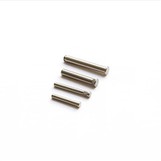
On the other hand, a linear shaft is designed with a specific purpose in mind: to provide smooth, linear motion. It usually has a highly polished surface, which reduces friction and allows for precise movement. Precision Linear Shaft is a prime example of a linear shaft that offers extremely accurate motion. The precision in its manufacturing ensures that it can meet the high - tolerance requirements of many modern applications.
Surface Finish
The surface finish is another major difference. Regular shafts may have a basic finish, which is sufficient for applications where smoothness isn't a critical factor. However, in linear shafts, the surface finish is of utmost importance. A smooth surface reduces wear and tear on the shaft and the mating components, such as linear bearings.
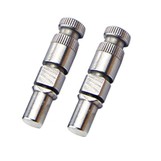
Our Hardened Steel Linear Shaft is a great illustration of this. The hardened steel not only provides excellent durability but also allows for a very fine surface finish. This smooth finish helps in minimizing friction, which is crucial for applications that require high - speed and precise linear movement.
Load - Carrying Capacity
When it comes to load - carrying capacity, regular shafts are designed to handle a variety of loads, but they may not be optimized for linear motion. They can support radial loads, axial loads, or a combination of both, depending on the application.
Linear shafts, however, are specifically engineered to handle loads in a linear direction. They are often used in applications where the load needs to be moved smoothly along a straight path. For example, in a 3D printer, the linear shaft is responsible for moving the print head precisely. The design of the linear shaft allows it to distribute the load evenly along its length, ensuring stable and accurate movement.
Application Areas
Regular shafts are used in countless applications across different industries. You can find them in automotive engines, household appliances, and simple mechanical devices. They are versatile and can adapt to a wide range of operating conditions.
Linear shafts, on the other hand, are more specialized. They are commonly used in applications that require precise linear motion, such as robotics, CNC machines, and medical equipment. In robotics, linear shafts are used to control the movement of robotic arms, allowing them to perform tasks with high precision. In CNC machines, they ensure accurate cutting and shaping of materials.
Material and Manufacturing Process
The materials used for regular shafts can vary widely, including steel, aluminum, and even plastic. The manufacturing process is usually relatively simple, involving processes like turning, milling, and heat - treating.
Linear shafts often require more advanced materials and manufacturing techniques. High - quality steels are commonly used, which are then hardened and ground to achieve the required precision. The manufacturing process is more complex and requires tight quality control to ensure that the shaft meets the strict specifications for linear motion.
Cost
Cost is always an important factor to consider. Regular shafts are generally more affordable due to their simpler design and manufacturing process. They are a cost - effective solution for applications where high precision isn't required.
Linear shafts, however, can be more expensive. The advanced materials, precise manufacturing, and high - quality surface finish all contribute to the higher cost. But when you consider the benefits they offer in terms of precision and performance, the investment can be well worth it for applications that demand it.
Maintenance
Maintenance is also different for these two types of shafts. Regular shafts may require basic maintenance, such as lubrication and occasional inspection for wear. Since they are used in less critical applications, the consequences of minor wear may not be as severe.


Linear shafts need more careful maintenance. The smooth surface finish and precise dimensions mean that any damage or contamination can significantly affect their performance. Regular cleaning and proper lubrication are essential to ensure long - term reliability.
Performance and Efficiency
In terms of performance, linear shafts outshine regular shafts when it comes to linear motion. They offer smoother, more precise movement, which translates to higher efficiency in applications that require it. For example, in a conveyor system, a linear shaft can move the products more accurately and quickly, reducing downtime and increasing productivity.
Regular shafts are more suitable for applications where the motion is less critical or where the shaft is used for other purposes, such as transmitting power.
Conclusion
In conclusion, the difference between a linear shaft and a regular shaft lies in their design, surface finish, load - carrying capacity, application areas, material, manufacturing process, cost, maintenance, and performance. While regular shafts are versatile and cost - effective for general applications, linear shafts are specialized for precise linear motion.
If you're looking for a reliable linear shaft for your application, we're here to help. We offer a wide range of high - quality linear shafts, including Precision Linear Shaft and Hardened Steel Linear Shaft. Our team of experts can assist you in choosing the right shaft for your specific needs. Don't hesitate to reach out for more information or to start a procurement discussion.
References
- Mechanical Engineering Handbook, Various Authors
- Industrial Machinery Design Manual