As a seasoned supplier in the field of mini shafts, I've witnessed firsthand the growing demand for these precision-engineered components across various industries. But what exactly is the definition of a mini shaft? In this blog post, I'll delve into the intricacies of mini shafts, exploring their characteristics, applications, and the key factors that set them apart from their larger counterparts.
Defining Mini Shafts
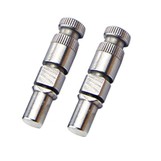
A mini shaft is a slender, cylindrical mechanical component designed to transmit torque and rotational motion within a compact space. Typically, mini shafts are characterized by their small diameter, which can range from a few millimeters to a few centimeters, depending on the specific application. Despite their diminutive size, mini shafts play a crucial role in a wide range of mechanical systems, from consumer electronics and medical devices to automotive and aerospace applications.
One of the defining features of mini shafts is their high precision and accuracy. Due to their small size, even the slightest deviation in dimensions or surface finish can have a significant impact on their performance. As a result, mini shafts are often manufactured using advanced machining techniques, such as CNC (Computer Numerical Control) machining, to ensure tight tolerances and excellent surface quality.
Another important characteristic of mini shafts is their material composition. Depending on the application requirements, mini shafts can be made from a variety of materials, including stainless steel, aluminum, titanium, and various alloys. Each material offers unique properties, such as strength, corrosion resistance, and heat resistance, which make them suitable for different operating conditions.
Applications of Mini Shafts
Mini shafts find applications in a diverse range of industries, thanks to their compact size, high precision, and versatility. Here are some of the most common applications of mini shafts:
Consumer Electronics
In the consumer electronics industry, mini shafts are used in a variety of devices, such as smartphones, tablets, laptops, and wearables. They are often used to transmit power and motion between different components, such as motors, gears, and sensors. For example, mini shafts are used in the vibration motors of smartphones to provide haptic feedback, and in the camera modules of tablets to adjust the focus and zoom.
Medical Devices
Mini shafts play a critical role in the medical device industry, where they are used in a wide range of applications, such as surgical instruments, diagnostic equipment, and implantable devices. Due to their small size and high precision, mini shafts are ideal for use in minimally invasive procedures, where space is limited and accuracy is crucial. For example, mini shafts are used in the actuators of robotic surgical systems to control the movement of surgical instruments, and in the pumps of insulin delivery systems to regulate the flow of medication.
Automotive Industry
In the automotive industry, mini shafts are used in a variety of applications, such as power steering systems, fuel injection systems, and engine control units. They are often used to transmit power and motion between different components, such as motors, pumps, and valves. For example, mini shafts are used in the electric power steering systems of modern cars to provide precise steering control, and in the fuel injection systems of gasoline engines to deliver fuel to the combustion chamber.
Aerospace Industry
The aerospace industry also relies heavily on mini shafts for a variety of applications, such as aircraft engines, flight control systems, and avionics. Due to the extreme operating conditions in aerospace applications, mini shafts must be made from high-strength materials and designed to withstand high temperatures, pressures, and vibrations. For example, mini shafts are used in the turbine engines of aircraft to transmit power from the compressor to the turbine, and in the flight control systems of airplanes to control the movement of the wings and tail.

Key Factors to Consider When Choosing Mini Shafts
When choosing mini shafts for a specific application, there are several key factors that you need to consider. These factors include:
Size and Dimensions
The size and dimensions of the mini shaft are critical factors that will determine its compatibility with the other components in the system. You need to ensure that the diameter, length, and other dimensions of the mini shaft are compatible with the requirements of the application.
Material Selection
The material selection is another important factor that will affect the performance and durability of the mini shaft. You need to choose a material that is suitable for the operating conditions of the application, such as the temperature, pressure, and corrosion resistance requirements. For example, if the mini shaft will be used in a high-temperature environment, you may need to choose a material with high heat resistance, such as titanium or stainless steel.
Surface Finish
The surface finish of the mini shaft is also an important factor that will affect its performance and durability. A smooth surface finish can reduce friction and wear, and improve the efficiency of the system. You need to ensure that the surface finish of the mini shaft meets the requirements of the application.
Tolerance and Precision
The tolerance and precision of the mini shaft are critical factors that will determine its accuracy and reliability. You need to ensure that the mini shaft is manufactured to tight tolerances and high precision to ensure that it performs as expected.
Our Mini Shaft Products
As a leading supplier of mini shafts, we offer a wide range of high-quality mini shaft products to meet the needs of our customers. Our mini shafts are manufactured using advanced machining techniques and the latest materials to ensure high precision, durability, and performance.
One of our popular products is the Stainless Steel Mini Shaft. Made from high-quality stainless steel, this mini shaft offers excellent corrosion resistance and strength, making it suitable for a wide range of applications. It is available in a variety of diameters and lengths to meet the specific requirements of our customers.
In addition to our standard mini shaft products, we also offer custom machining services to meet the unique needs of our customers. Our experienced engineers and technicians can work with you to design and manufacture custom mini shafts that are tailored to your specific requirements.
Contact Us for Procurement
If you are interested in purchasing our mini shaft products or have any questions about our services, please feel free to contact us. Our sales team will be happy to assist you with your procurement needs and provide you with a competitive quote. We look forward to working with you and helping you find the perfect mini shaft solution for your application.
References
- "Mechanical Engineering Design" by Joseph Edward Shigley and Charles R. Mischke
- "Manufacturing Engineering and Technology" by S. Kalpakjian and Steven R. Schmid
- "Materials Science and Engineering: An Introduction" by William D. Callister Jr. and David G. Rethwisch