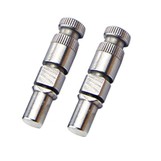
A pinion shaft is a crucial component in various mechanical systems, playing a vital role in power transmission and motion control. As a dedicated pinion shaft supplier, I often encounter inquiries regarding the length range of these essential parts. In this blog post, I'll delve into the factors that influence the length of pinion shafts and explore the typical length ranges you can expect.
Factors Influencing Pinion Shaft Length
Before discussing the length range, it's important to understand the factors that determine how long a pinion shaft needs to be. These factors can vary depending on the specific application and the requirements of the mechanical system in which the pinion shaft will be used.
1. Application Requirements
The primary factor influencing the length of a pinion shaft is the application for which it is intended. Different applications have different space constraints, load requirements, and motion control needs, all of which can impact the optimal length of the shaft.
For example, in automotive transmissions, pinion shafts are designed to fit within the compact space of the transmission housing while transmitting high torque and rotational forces. As a result, these shafts are typically shorter and more compact to maximize space utilization and minimize weight.
On the other hand, in industrial machinery such as conveyor systems or large manufacturing equipment, pinion shafts may need to be longer to accommodate larger gears or to span greater distances between components. These longer shafts can help distribute the load more evenly and reduce stress on individual components.
2. Gear Size and Configuration
The size and configuration of the gears that the pinion shaft will mesh with also play a significant role in determining its length. The pitch diameter, number of teeth, and helix angle of the gears all affect the engagement between the pinion and the mating gear, which in turn influences the required length of the shaft.


In general, larger gears require longer pinion shafts to ensure proper meshing and smooth operation. Additionally, the helix angle of the gears can affect the axial forces generated during operation, which may require additional shaft length to accommodate these forces and prevent premature wear or failure.
3. Shaft Material and Manufacturing Process
The material used to manufacture the pinion shaft and the manufacturing process employed can also impact its length. Different materials have different mechanical properties, such as strength, stiffness, and ductility, which can affect the design and performance of the shaft.
For example, a pinion shaft made from a high-strength alloy steel may be able to withstand higher loads and stresses, allowing for a shorter shaft length compared to a shaft made from a less durable material. Similarly, advanced manufacturing processes such as precision machining or forging can produce shafts with tighter tolerances and better surface finishes, which may enable the use of shorter shafts without sacrificing performance.
Typical Length Ranges of Pinion Shafts
Based on my experience as a pinion shaft supplier, the length range of pinion shafts can vary widely depending on the factors mentioned above. However, I can provide some general guidelines to give you an idea of what to expect.
1. Short Pinion Shafts
Short pinion shafts typically range from a few millimeters to a few centimeters in length. These shafts are commonly used in applications where space is limited, such as in small motors, watches, and electronic devices.
For example, in a miniature DC motor, the pinion shaft may be only a few millimeters long, connecting the motor's armature to the gear train. These short shafts are designed to transmit the relatively low torque and rotational speed of the motor while minimizing the overall size and weight of the motor assembly.
2. Medium-Length Pinion Shafts
Medium-length pinion shafts typically range from a few centimeters to several decimeters in length. These shafts are commonly used in a wide range of applications, including automotive transmissions, industrial machinery, and robotics.
In automotive transmissions, for example, the pinion shaft may be several centimeters long, connecting the input shaft to the gearset. These shafts are designed to transmit high torque and rotational forces while maintaining precise alignment and smooth operation.
In industrial machinery, medium-length pinion shafts may be used to drive conveyor belts, pumps, or other rotating equipment. These shafts are typically longer than those used in automotive applications to accommodate the larger size and weight of the machinery.
3. Long Pinion Shafts
Long pinion shafts can range from several decimeters to several meters in length. These shafts are commonly used in large-scale industrial applications, such as power generation, mining, and heavy machinery.
In power generation plants, for example, long pinion shafts may be used to connect the turbine to the generator. These shafts are designed to transmit the high torque and rotational speed of the turbine to the generator while maintaining precise alignment and minimizing vibration.
In mining equipment, long pinion shafts may be used to drive large crushers or conveyors. These shafts are typically very long and heavy to accommodate the high loads and stresses associated with these applications.
Our Pinion Shaft Offerings
As a leading pinion shaft supplier, we offer a wide range of pinion shafts in various lengths and configurations to meet the diverse needs of our customers. Our Stainless Steel Pinion Shaft is made from high-quality stainless steel, providing excellent corrosion resistance and durability. Our Precision Pinion Shaft is manufactured using advanced precision machining techniques, ensuring tight tolerances and high-quality surface finishes.
Whether you need a short pinion shaft for a small electronic device or a long pinion shaft for a large industrial application, we have the expertise and resources to provide you with the right solution. Our team of experienced engineers and technicians can work closely with you to understand your specific requirements and design a pinion shaft that meets your exact specifications.
Contact Us for Pinion Shaft Procurement
If you're in the market for pinion shafts, we invite you to contact us to discuss your procurement needs. Our sales team is ready to provide you with detailed product information, pricing, and delivery options. We're committed to providing our customers with the highest quality products and the best possible service, and we look forward to the opportunity to work with you.
References
- Budynas, R. G., & Nisbett, J. K. (2011). Shigley's Mechanical Engineering Design. McGraw-Hill.
- Norton, R. L. (2012). Machine Design: An Integrated Approach. Pearson.
- Spotts, M. F., Shoup, T. E., & Steidel, R. F. (2004). Design of Machine Elements. Prentice Hall.