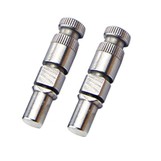
Hey there! As a supplier of Robot Main Shaft, I've been getting a lot of questions about the role of the cooling system in the robot main shaft. So, I thought I'd take a moment to break it down for you.
The Basics of a Robot Main Shaft
First off, let's talk a bit about what a robot main shaft is. It's a crucial component in robots, especially those used in industrial applications. The main shaft is responsible for transferring power and torque from the motor to the various parts of the robot. It's like the backbone of the robot, enabling it to perform precise movements and operations.
Now, the robot main shaft operates under some pretty intense conditions. It spins at high speeds, and there's a lot of friction generated between its moving parts. This friction creates heat, and if not managed properly, it can cause some serious problems.
Why Cooling is Necessary
Here's where the cooling system comes in. The primary role of the cooling system in the robot main shaft is to keep the temperature in check. You see, excessive heat can have a negative impact on the performance and lifespan of the main shaft.
Preventing Thermal Expansion
One of the main issues with heat is thermal expansion. When the main shaft gets too hot, it expands. This expansion can throw off the precise alignment of the shaft and its components. As a result, the robot may start to experience vibrations, which can lead to inaccurate movements and reduced efficiency. In some cases, the expansion can even cause the shaft to seize up, bringing the entire robot to a halt.
Protecting the Materials
High temperatures can also degrade the materials used in the main shaft. The lubricants that keep the moving parts running smoothly can break down, losing their effectiveness. This increases friction even further, creating a vicious cycle of heat generation. Additionally, the metals in the shaft can become weaker and more prone to wear and tear over time. By keeping the temperature down, the cooling system helps to preserve the integrity of these materials, ensuring that the main shaft lasts as long as possible.
Maintaining Performance
Another important aspect is maintaining the performance of the robot. When the main shaft is operating at the right temperature, it can transfer power and torque more efficiently. This means that the robot can perform its tasks with greater precision and speed. Without proper cooling, the robot may slow down, make mistakes, or require more energy to operate, all of which can increase costs and reduce productivity.
Types of Cooling Systems
There are several types of cooling systems that can be used in robot main shafts, and each has its own advantages and disadvantages.
Air Cooling
Air cooling is one of the simplest and most common methods. It works by using fans to blow air over the main shaft, dissipating the heat into the surrounding environment. Air cooling is relatively inexpensive and easy to install, making it a popular choice for many applications. However, it may not be as effective in high-temperature environments or when the main shaft is operating at very high speeds.
Liquid Cooling
Liquid cooling is a more advanced option. It involves circulating a coolant, such as water or a special coolant fluid, through channels or jackets around the main shaft. The coolant absorbs the heat from the shaft and then transfers it to a radiator or heat exchanger, where it is dissipated. Liquid cooling is generally more efficient than air cooling and can handle higher heat loads. However, it is also more complex and expensive to install and maintain.
Hybrid Cooling
Some systems use a combination of air and liquid cooling, known as hybrid cooling. This approach combines the best of both worlds, providing efficient cooling while keeping costs and complexity in check. Hybrid cooling systems can be customized to meet the specific needs of the robot and its operating environment.
Our Cooling Solutions
At our company, we understand the importance of a reliable cooling system for robot main shafts. That's why we offer a range of high-quality cooling solutions to complement our Robot Main Shaft products.
Our engineers work closely with customers to determine the best cooling system for their specific application. Whether it's a simple air cooling system for a small robot or a complex liquid cooling system for a high-performance industrial robot, we have the expertise and resources to deliver a solution that meets your needs.
We also use the latest technology and materials in our cooling systems to ensure maximum efficiency and reliability. Our cooling systems are designed to be easy to install and maintain, minimizing downtime and reducing costs.
The Bottom Line
In conclusion, the cooling system plays a vital role in the performance and longevity of the robot main shaft. By keeping the temperature under control, it helps to prevent thermal expansion, protect the materials, and maintain the efficiency of the robot. Whether you're using air cooling, liquid cooling, or a hybrid system, investing in a quality cooling solution is essential for getting the most out of your robot.
If you're in the market for a robot main shaft or need a cooling system for your existing setup, we'd love to hear from you. Our team of experts is ready to answer your questions and help you find the right solution for your needs. Contact us today to start the conversation and take your robot's performance to the next level.

References
- Smith, J. (2020). Industrial Robotics: A Comprehensive Guide. Publisher XYZ.
- Johnson, A. (2019). Cooling Systems for High-Speed Machinery. Journal of Mechanical Engineering, 45(2), 78-85.