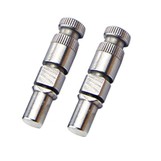
When it comes to the production of other shafts, understanding the materials used is crucial. As a seasoned other shaft supplier, I've witnessed firsthand the impact that different materials can have on the performance, durability, and cost - effectiveness of these components. In this blog, I'll delve into the various materials commonly employed in the manufacturing of other shafts, highlighting their unique properties and applications.
Steel
Steel is perhaps the most widely used material for making other shafts. It offers an excellent combination of strength, toughness, and machinability. Carbon steel, for example, is a popular choice due to its relatively low cost and good mechanical properties. The carbon content in carbon steel can vary, and this affects its hardness and strength. Low - carbon steel is more ductile and easier to form, making it suitable for shafts that require bending or shaping during the manufacturing process. Medium - carbon steel has a higher carbon content, which increases its strength and hardness, making it ideal for shafts that need to withstand moderate loads and stresses.
Alloy steel is another type of steel commonly used for other shafts. By adding alloying elements such as chromium, nickel, and molybdenum, the properties of the steel can be significantly enhanced. Alloy steel shafts have better corrosion resistance, higher strength, and improved wear resistance compared to carbon steel shafts. They are often used in applications where the shaft is exposed to harsh environments or heavy loads, such as in industrial machinery and automotive engines. For instance, a Brushless Motor Shaft might be made from alloy steel to ensure reliable performance under high - speed and high - torque conditions.
Stainless Steel
Stainless steel is a special type of steel that contains a minimum of 10.5% chromium, which gives it excellent corrosion resistance. This makes stainless steel an ideal material for other shafts used in applications where corrosion is a concern, such as in food processing equipment, marine environments, and medical devices. There are different grades of stainless steel, each with its own unique properties. Austenitic stainless steels, such as 304 and 316, are non - magnetic and have good formability and weldability. They are commonly used for shafts that require a high degree of cleanliness and corrosion resistance.
Martensitic stainless steels, on the other hand, can be heat - treated to achieve high strength and hardness. They are often used in applications where both corrosion resistance and high mechanical properties are required, such as in cutlery and some industrial shafts. For example, Stainless Steel Knurled Pins can be made from martensitic stainless steel to provide a strong and corrosion - resistant connection.
Aluminum
Aluminum is a lightweight material with good corrosion resistance and high thermal conductivity. It is often used in applications where weight reduction is a priority, such as in aerospace and automotive industries. Aluminum shafts are also easier to machine compared to steel shafts, which can reduce manufacturing costs. However, aluminum has a lower strength - to - weight ratio compared to steel, so it may not be suitable for applications that require high strength.
Aluminum alloys are commonly used for other shafts. By adding alloying elements such as copper, magnesium, and zinc, the strength and other properties of aluminum can be improved. For example, 6061 aluminum alloy is a popular choice for shafts due to its good combination of strength, corrosion resistance, and machinability. It is often used in applications such as robotics and consumer electronics.
Titanium
Titanium is a high - performance material known for its excellent strength - to - weight ratio, corrosion resistance, and biocompatibility. It is often used in applications where high strength and light weight are critical, such as in aerospace, medical, and military industries. Titanium shafts can withstand extreme temperatures and harsh environments, making them suitable for demanding applications.
However, titanium is also a relatively expensive material, and its machining can be challenging due to its high strength and low thermal conductivity. Despite these challenges, the unique properties of titanium make it a valuable material for certain applications. For example, in some high - end sports equipment and aerospace components, titanium shafts are used to achieve optimal performance.


Composite Materials
Composite materials are made by combining two or more different materials to create a material with enhanced properties. Fiberglass - reinforced composites and carbon fiber - reinforced composites are commonly used for other shafts. These materials offer high strength, low weight, and excellent fatigue resistance.
Composite shafts are often used in applications where vibration damping is important, such as in some high - precision machinery. They can also be designed to have specific stiffness and strength characteristics, which makes them suitable for a wide range of applications. However, the manufacturing process of composite shafts can be complex and expensive, which limits their use in some cost - sensitive applications.
Cast Iron
Cast iron is a material with good castability, high wear resistance, and excellent damping capacity. It is often used for other shafts in applications where vibration and noise reduction are important, such as in machine tools and some industrial equipment. Gray cast iron is the most common type of cast iron used for shafts. It has a graphite structure that provides good lubrication and wear resistance.
Ductile cast iron, also known as nodular cast iron, has better mechanical properties compared to gray cast iron. It contains graphite nodules, which give it higher ductility and toughness. Ductile cast iron shafts can be used in applications where higher strength and impact resistance are required. For example, a Stainless Steel Fixed Shaft might be made from ductile cast iron in some industrial settings.
Considerations for Material Selection
When selecting the material for an other shaft, several factors need to be considered. First, the mechanical requirements of the application, such as the load, torque, and speed, need to be evaluated. The environment in which the shaft will operate, including factors such as temperature, humidity, and the presence of corrosive substances, also plays a crucial role in material selection. Cost is another important factor, as different materials have different costs associated with their production, machining, and finishing.
In addition, the manufacturing process used to produce the shaft can also influence material selection. Some materials are more suitable for certain manufacturing processes, such as casting, forging, or machining. For example, cast iron is well - suited for casting processes, while steel can be easily machined.
As a trusted other shaft supplier, I understand the importance of selecting the right material for each application. I work closely with my customers to understand their specific requirements and recommend the most suitable materials and manufacturing processes. Whether you need a shaft for a simple consumer product or a complex industrial machine, I can provide high - quality other shafts made from the appropriate materials.
If you're in the market for other shafts and want to discuss your specific needs, I encourage you to reach out. Our team of experts is ready to assist you in selecting the right material and manufacturing process to ensure that you get the best - performing shafts for your application. Contact us today to start the procurement process and let's work together to find the perfect solution for your shaft requirements.
References
- Callister, W. D., & Rethwisch, D. G. (2018). Materials Science and Engineering: An Introduction. Wiley.
- Ashby, M. F. (2011). Materials Selection in Mechanical Design. Butterworth - Heinemann.
- Dieter, G. E. (1988). Mechanical Metallurgy. McGraw - Hill.