Hey there, fellow drone enthusiasts! As a supplier of drone shafts, I've seen all sorts of questions about drones and their components. One of the most common concerns I get is whether a damaged drone shaft can cause the drone to crash. Today, I'm gonna dig deep into this question and give you all the insights you need.
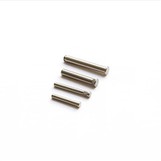
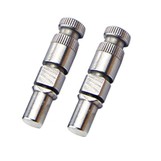
Let's first understand what drone shafts are and what they do. Drone shafts are essential parts of a drone's structure. They're like the bones in our body, providing support and ensuring that different components can work together smoothly. There are different types of drone shafts, including the Drone Roll Shaft, Drone Pitch Shaft, and Drone Yaw Shaft. Each of these shafts plays a crucial role in the drone's movement and stability.
The roll shaft is responsible for the drone's side - to - side movement. When it's intact, the drone can smoothly roll left or right, which is important for tasks like getting different angles in aerial photography or performing acrobatic maneuvers. But if this shaft gets damaged, things can go haywire. A bent or cracked roll shaft may cause the drone to have uneven movement on one side. Instead of a smooth roll, the drone might start to wobble violently. In extreme cases, this instability can be so bad that the drone loses control and crashes.
Next up is the pitch shaft. It controls the forward and backward movement of the drone. A healthy pitch shaft ensures that the drone can move forward steadily to reach its destination or back up when needed. However, a damaged pitch shaft can disrupt this normal movement. For example, if the shaft is damaged, the drone might not be able to pitch properly. It could either move forward too abruptly, causing it to fly into obstacles, or have difficulty moving in a straight line. If the damage is severe enough, the drone may not be able to maintain its altitude and end up crashing to the ground.
Then we have the yaw shaft. This shaft is what allows the drone to rotate around its vertical axis. When the yaw shaft is working fine, the drone can spin gracefully, giving the operator full control over the direction the camera or sensors are facing. But damage to the yaw shaft can lead to erratic spinning. The drone might start to spin uncontrollably or not respond to the operator's commands to turn. This kind of unpredictable movement makes it very difficult to keep the drone in the air, increasing the risk of a crash.
There are several reasons why a drone shaft might get damaged in the first place. One of the most common causes is hard landings. When a drone lands too forcefully, the impact can cause the shafts to bend or crack. Even a small crack can compromise the shaft's integrity over time. Another cause could be collisions with objects. Whether it's hitting a tree branch during flight or bumping into a wall during an indoor test, these collisions can damage the shafts.
Environmental factors can also play a role. Exposure to extreme temperatures, high humidity, or corrosive substances can weaken the drone shafts over time. For instance, if a drone is frequently flown in a very humid environment, the shafts might start to rust or become brittle. And once they're in this weakened state, it doesn't take much for them to get damaged during normal use.
So, what can you do to prevent shaft - related crashes? First of all, always perform pre - flight checks. Look closely at the drone shafts for any visible signs of damage, like cracks, bends, or loose parts. If you notice anything suspicious, don't fly the drone until you've replaced or repaired the shaft. After each flight, give the drone a thorough inspection, especially if the landing was a bit rough or if it had a minor collision.
Investing in high - quality drone shafts is also crucial. As a drone shaft supplier, I can't stress this enough. High - quality shafts are made from stronger materials and are more resistant to damage. They're designed to withstand the rigors of normal flight, including hard landings and minor collisions. Plus, they come with better tolerances, which means they'll provide more accurate and stable movement for your drone.
Now, let's talk about what to do if you suspect a damaged shaft. If you notice that your drone is behaving erratically, like wobbling during flight, not responding properly to controls, or having difficulty maintaining altitude, the first thing to do is land the drone safely. Don't keep flying it in an attempt to "fix" the issue mid - air, as this will only increase the risk of a crash. Once it's on the ground, remove the damaged shaft and replace it with a new one. Make sure you use the right type of shaft for your specific drone model.
If you're not confident in your ability to replace the shaft yourself, you can take the drone to a professional repair service. They have the expertise and tools to do the job correctly and ensure that the new shaft is installed properly. This will get your drone back in the air quickly and safely.
In conclusion, a damaged drone shaft can definitely cause the drone to crash. The roll, pitch, and yaw shafts are all vital for the drone's stability and control. Any damage to these shafts can lead to unpredictable movement, making it difficult or impossible to keep the drone flying safely. But with proper maintenance, pre - flight checks, and the use of high - quality shafts, you can greatly reduce the risk of shaft - related crashes.
If you're in the market for top - notch drone shafts for your drone, I'm here to help. Whether you need a Drone Roll Shaft, Drone Pitch Shaft, or Drone Yaw Shaft, I have a wide range of options to suit different drone models. Contact me to start a procurement discussion, and let's get your drone flying at its best!
References


- Professional Drone Pilots Association - Drone Maintenance Guides
- Manufacturers' Drone User Manuals
- Online Drone Enthusiast Forums