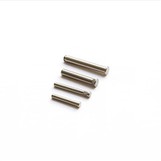
In the dynamic world of drone technology, the choice of materials for drone shafts is a crucial decision that can significantly impact the performance, durability, and overall efficiency of these unmanned aerial vehicles (UAVs). As a seasoned drone shaft supplier, I've witnessed firsthand the ongoing debate between carbon fiber and aluminum shafts. Each material brings its own set of unique properties to the table, and understanding these characteristics is essential for making an informed decision. In this blog post, I'll delve into the pros and cons of carbon fiber and aluminum drone shafts to help you determine which one is better suited for your specific needs.
Carbon Fiber Drone Shafts: Lightweight and Stiff
Carbon fiber is a composite material made up of extremely thin fibers composed mostly of carbon atoms. These fibers are woven together and then bonded with a resin to create a strong and lightweight material. When it comes to drone shafts, carbon fiber offers several distinct advantages.
Lightweight Design
One of the most significant benefits of carbon fiber drone shafts is their low weight. Carbon fiber has a very high strength-to-weight ratio, meaning it can provide excellent strength while being significantly lighter than aluminum. This lightweight design is crucial for drones, as it allows for increased flight time and improved maneuverability. With less weight to carry, drones can fly longer distances and perform more agile maneuvers, making them ideal for applications such as aerial photography, racing, and surveillance.
High Stiffness
Carbon fiber is also known for its high stiffness, which refers to its ability to resist deformation under load. This stiffness is essential for maintaining the structural integrity of the drone shaft during flight. A stiffer shaft can better withstand the forces exerted on it by the drone's motors and propellers, reducing the risk of bending or breaking. This is particularly important for high-performance drones that operate at high speeds or carry heavy payloads.
Vibration Damping
Another advantage of carbon fiber is its ability to dampen vibrations. When a drone is in flight, the motors and propellers generate vibrations that can affect the stability and performance of the aircraft. Carbon fiber has natural vibration-damping properties, which can help to reduce these vibrations and provide a smoother flight experience. This is especially beneficial for drones used in aerial photography or videography, as it can help to eliminate blurring and improve the quality of the footage.
Corrosion Resistance
Carbon fiber is highly resistant to corrosion, making it an excellent choice for drones that operate in harsh environments. Unlike aluminum, which can corrode when exposed to moisture or certain chemicals, carbon fiber is impervious to rust and other forms of corrosion. This means that carbon fiber drone shafts can withstand the elements and maintain their performance over time, even in saltwater or high-humidity environments.
However, carbon fiber drone shafts also have some drawbacks. One of the main disadvantages is their high cost. Carbon fiber is a more expensive material than aluminum, which can make carbon fiber drone shafts significantly more expensive to produce. This cost is often passed on to the consumer, making carbon fiber drones and components more expensive than their aluminum counterparts.
Another potential drawback of carbon fiber is its brittleness. While carbon fiber is very strong in tension, it can be more brittle than aluminum and may be more prone to cracking or breaking under certain conditions. This means that carbon fiber drone shafts may require more careful handling and maintenance to prevent damage.
Aluminum Drone Shafts: Durable and Cost-Effective
Aluminum is a lightweight metal that is widely used in the aerospace industry due to its excellent strength-to-weight ratio, durability, and cost-effectiveness. When it comes to drone shafts, aluminum offers several advantages.
Durability
One of the main benefits of aluminum drone shafts is their durability. Aluminum is a strong and resilient material that can withstand the rigors of daily use. It is less likely to crack or break than carbon fiber, making it a good choice for drones that are used in rough or demanding environments. Aluminum shafts can also withstand impacts and vibrations better than carbon fiber, reducing the risk of damage during flight.


Cost-Effectiveness
Aluminum is a relatively inexpensive material compared to carbon fiber, which makes aluminum drone shafts more cost-effective to produce. This cost savings is often passed on to the consumer, making aluminum drones and components more affordable than their carbon fiber counterparts. For budget-conscious consumers or those who are just starting out in the world of drones, aluminum shafts can be a great option.
Machinability
Aluminum is a highly machinable material, which means it can be easily shaped and formed into complex designs. This makes it possible to produce aluminum drone shafts with a wide range of shapes and sizes, allowing for greater flexibility in drone design. Aluminum shafts can also be easily modified or customized to meet the specific needs of different applications.
Conductivity
Aluminum is a good conductor of electricity, which can be an advantage in some drone applications. For example, aluminum shafts can be used to provide electrical grounding or to transfer electrical signals between different components of the drone. This can help to improve the overall performance and reliability of the drone.
However, aluminum drone shafts also have some limitations. One of the main disadvantages is their weight. While aluminum is a lightweight metal, it is still heavier than carbon fiber. This additional weight can reduce the flight time and maneuverability of the drone, making it less suitable for applications that require long flight times or high levels of agility.
Another potential drawback of aluminum is its susceptibility to corrosion. Aluminum can corrode when exposed to moisture or certain chemicals, which can weaken the shaft and reduce its performance over time. To prevent corrosion, aluminum drone shafts may need to be coated or treated with a protective finish.
Comparing Carbon Fiber and Aluminum Drone Shafts
Now that we've explored the pros and cons of carbon fiber and aluminum drone shafts, let's compare them side by side to see how they stack up in different areas.
Weight
As mentioned earlier, carbon fiber is significantly lighter than aluminum. This makes carbon fiber drone shafts ideal for applications where weight is a critical factor, such as racing drones or drones used for long-distance flights. Aluminum shafts, on the other hand, are heavier but still offer a good strength-to-weight ratio. They are a good choice for drones that require durability and can tolerate a slightly heavier payload.
Strength and Stiffness
Carbon fiber has a higher strength-to-weight ratio and is stiffer than aluminum. This means that carbon fiber drone shafts can provide better performance and stability, especially in high-stress applications. Aluminum shafts, while not as strong or stiff as carbon fiber, are still strong enough for most drone applications and can withstand the forces exerted on them during normal flight.
Durability
Aluminum is generally more durable than carbon fiber and is less likely to crack or break under normal use. This makes aluminum drone shafts a good choice for drones that are used in rough or demanding environments. Carbon fiber, while strong, can be more brittle and may require more careful handling to prevent damage.
Cost
Carbon fiber is a more expensive material than aluminum, which makes carbon fiber drone shafts more expensive to produce. This cost is often passed on to the consumer, making carbon fiber drones and components more expensive than their aluminum counterparts. Aluminum shafts, on the other hand, are more cost-effective and are a good option for budget-conscious consumers.
Vibration Damping
Carbon fiber has natural vibration-damping properties, which can help to reduce vibrations and provide a smoother flight experience. Aluminum, while not as effective at damping vibrations as carbon fiber, can still provide some level of vibration reduction.
Corrosion Resistance
Carbon fiber is highly resistant to corrosion, making it an excellent choice for drones that operate in harsh environments. Aluminum, on the other hand, can corrode when exposed to moisture or certain chemicals and may require a protective coating to prevent corrosion.
Which is Better: Carbon Fiber or Aluminum Drone Shafts?
The answer to this question depends on several factors, including your specific needs, budget, and the type of drone you are using. Here are some general guidelines to help you make a decision:
If You Need Lightweight and High-Performance
If you are using a racing drone or a drone for long-distance flights and need the lightest and most high-performance shaft possible, then carbon fiber is the way to go. Carbon fiber shafts can provide the best strength-to-weight ratio and stiffness, allowing for increased flight time and improved maneuverability.
If You Need Durability and Cost-Effectiveness
If you are using a drone in a rough or demanding environment and need a shaft that is durable and cost-effective, then aluminum is a good choice. Aluminum shafts are strong, resistant to impacts and vibrations, and are more affordable than carbon fiber shafts.
If You Need a Balance of Performance and Cost
If you are looking for a shaft that offers a good balance of performance and cost, then you may want to consider a hybrid shaft that combines the benefits of carbon fiber and aluminum. Hybrid shafts can provide the lightweight and stiffness of carbon fiber with the durability and cost-effectiveness of aluminum.
Conclusion
In conclusion, both carbon fiber and aluminum drone shafts have their own unique advantages and disadvantages. The choice between the two depends on your specific needs, budget, and the type of drone you are using. As a drone shaft supplier, I can offer a wide range of carbon fiber and aluminum shafts to meet your requirements. Whether you need a lightweight and high-performance carbon fiber shaft or a durable and cost-effective aluminum shaft, I can help you find the perfect solution for your drone.
If you are interested in learning more about our drone shafts or would like to discuss your specific needs, please feel free to contact us. We are always happy to help and look forward to working with you to find the best drone shaft for your application.