Hey there! As a spline shaft supplier, I often get asked about the corrosion resistance of spline shafts. So, I thought I'd take a few minutes to break it down for you.
First off, let's talk about what a spline shaft is. It's a type of mechanical component with ridges or teeth (the splines) that mesh with corresponding grooves in a mating part. This design allows for the transmission of torque and motion between two parts. Spline shafts are used in a wide range of applications, from automotive transmissions to industrial machinery.
Now, onto the main topic: corrosion resistance. Corrosion is the gradual destruction of materials, usually metals, by chemical reactions with their environment. For spline shafts, corrosion can be a big problem. It can weaken the shaft, reduce its performance, and even lead to failure. So, having good corrosion resistance is crucial.
There are several factors that affect the corrosion resistance of a spline shaft. One of the most important is the material it's made from. Different materials have different levels of resistance to corrosion.
Material Matters
Stainless Steel
Stainless steel is a popular choice for spline shafts because of its excellent corrosion resistance. It contains chromium, which forms a thin, protective oxide layer on the surface of the metal. This layer acts as a barrier, preventing oxygen and moisture from reaching the underlying metal and causing corrosion.
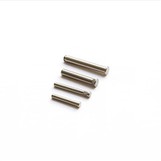
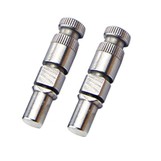
We offer a variety of stainless steel spline shafts, including the Stainless Steel Rotating Shaft and the Stainless Steel Spline Shaft. These shafts are made from high - quality stainless steel alloys that are specifically chosen for their corrosion - resistant properties.
One of the most commonly used stainless steel grades for spline shafts is 304 stainless steel. The 304 Stainless Steel Spline Shaft is a great option for many applications. It has good general corrosion resistance in a wide range of environments, including mild industrial atmospheres and fresh water. It's also relatively easy to machine, which makes it cost - effective.
Other Materials
Apart from stainless steel, other materials like carbon steel can also be used for spline shafts. However, carbon steel has a lower corrosion resistance compared to stainless steel. It's more prone to rusting, especially in humid or corrosive environments. To improve its corrosion resistance, carbon steel spline shafts can be coated or treated. For example, they can be galvanized (coated with zinc) or painted. But these coatings can wear off over time, and the underlying steel may still be at risk of corrosion.
Surface Treatments
In addition to the material, surface treatments can also enhance the corrosion resistance of a spline shaft.
Passivation
Passivation is a chemical treatment that removes free iron from the surface of stainless steel. This helps to restore and strengthen the protective oxide layer, improving the corrosion resistance of the shaft. After passivation, the spline shaft is better able to withstand corrosion in various environments.
Electroplating
Electroplating involves depositing a thin layer of metal (such as nickel or chrome) onto the surface of the spline shaft. This not only provides a physical barrier against corrosion but can also improve the appearance and wear resistance of the shaft. However, electroplating requires careful control of the process to ensure uniform coating thickness and good adhesion.
Environmental Factors
The environment in which the spline shaft operates also plays a significant role in its corrosion resistance.
Humidity
High humidity levels can accelerate corrosion. In a humid environment, moisture can condense on the surface of the spline shaft, providing the necessary medium for corrosion reactions to occur. If the shaft is made of a material with low corrosion resistance, it may start to rust quickly.
Chemical Exposure
Exposure to chemicals, such as acids, alkalis, or salts, can also cause corrosion. For example, in a marine environment, the saltwater can be very corrosive to metal spline shafts. In industrial settings, chemicals used in manufacturing processes can pose a similar threat.
Maintenance and Inspection
To ensure the long - term corrosion resistance of a spline shaft, proper maintenance and inspection are essential.


Regular cleaning can remove dirt, debris, and corrosive substances from the surface of the shaft. It's also important to inspect the shaft periodically for signs of corrosion, such as rust spots or pitting. If corrosion is detected early, appropriate measures can be taken to prevent it from spreading.
Why Choose Our Spline Shafts?
As a spline shaft supplier, we take pride in offering high - quality products with excellent corrosion resistance. Our stainless steel spline shafts are made using advanced manufacturing processes and the best materials available. We also offer custom - made spline shafts to meet the specific requirements of our customers.
Whether you need a spline shaft for a high - performance automotive application or an industrial machine, we have the expertise and resources to provide you with the right solution. Our team of experts can help you choose the most suitable material and surface treatment for your application, ensuring that your spline shaft has the best possible corrosion resistance.
If you're in the market for a spline shaft, we'd love to hear from you. Whether you have questions about corrosion resistance, need a quote, or want to discuss a custom project, don't hesitate to reach out. We're here to help you find the perfect spline shaft for your needs.
References
- ASM Handbook Volume 13A: Corrosion: Fundamentals, Testing, and Protection
- Metals Handbook Desk Edition, Third Edition
So, that's a wrap on the corrosion resistance of spline shafts. I hope this blog has been helpful to you. If you have any more questions, feel free to drop me a line!