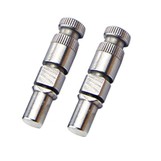
When it comes to mechanical engineering and manufacturing, shafts are fundamental components used in various applications, from simple machinery to complex automotive and industrial systems. Among the different types of shafts, solid shafts and hollow shafts are commonly used, each with its own set of advantages, disadvantages, and cost implications. As a solid shaft supplier, I have gained extensive insights into the cost differences between these two types of shafts, which I will share in this blog.
1. Manufacturing Costs
Solid Shafts
Solid shafts are typically made from a single piece of material, such as steel, aluminum, or stainless steel. The manufacturing process usually involves cutting the material to the desired length, followed by machining operations like turning, milling, and grinding to achieve the required dimensions and surface finish.
The raw material cost for solid shafts is relatively straightforward. Since they are made from a continuous block of material, the price is directly related to the type and quantity of the material used. For example, a Stainless Steel Solid Shaft will generally cost more than a carbon steel solid shaft due to the higher cost of stainless steel.
In terms of machining, solid shafts are relatively easier to work with compared to hollow shafts. The absence of an internal cavity simplifies the machining process, reducing the risk of errors and the need for specialized tools. This can result in lower labor and machining costs, especially for high - volume production. However, for large - diameter solid shafts, the amount of material removed during machining can be significant, leading to increased material waste and potentially higher costs.
Hollow Shafts
Hollow shafts are more complex to manufacture. The process often starts with a solid bar, which is then bored out to create the internal cavity. This additional step requires specialized equipment and expertise, increasing the manufacturing cost.
The raw material cost for hollow shafts can be lower than that of solid shafts, especially for large - diameter applications. Since less material is used, the initial cost of the raw material is reduced. However, the savings in raw material may be offset by the higher machining costs. The boring operation is time - consuming and requires precise control to ensure the concentricity and straightness of the internal cavity. Moreover, the risk of tool breakage and surface finish issues is higher in hollow shaft machining, which can lead to additional costs for rework and quality control.
2. Weight and Transportation Costs
Solid Shafts
Solid shafts are heavier than hollow shafts of the same outer diameter and length. The additional weight can have a significant impact on transportation costs, especially for long - distance shipments. Higher weight means more fuel consumption for transportation vehicles, increasing the overall cost of getting the product from the manufacturing facility to the customer.
In addition, in applications where weight is a critical factor, such as aerospace and automotive industries, the use of solid shafts may require additional structural support to handle the extra weight. This can lead to increased costs in the overall system design and manufacturing.
Hollow Shafts
Hollow shafts offer a significant advantage in terms of weight. Their reduced weight not only lowers transportation costs but also makes them more suitable for applications where weight reduction is crucial. For example, in electric vehicles, the use of hollow shafts can contribute to improved energy efficiency by reducing the overall vehicle weight.
The lower weight also means that less structural support is required in the surrounding machinery, potentially reducing the cost of the entire system. However, it's important to note that the design and manufacturing of the supporting structures still need to be carefully considered to ensure the overall integrity and performance of the system.
3. Strength - to - Weight Ratio and Cost - Benefit Analysis
Solid Shafts
Solid shafts have high torsional and bending strength. They are suitable for applications where high loads and stresses are expected, such as in heavy - duty machinery and power transmission systems. The high strength of solid shafts often means that they can be used in a wider range of applications without the need for additional reinforcement.
However, in applications where weight is a concern and the load requirements are not extremely high, the use of solid shafts may not be cost - effective. The extra weight and material cost may not provide a significant benefit in terms of performance, leading to a lower cost - benefit ratio.
Hollow Shafts
Hollow shafts offer a better strength - to - weight ratio compared to solid shafts. By removing the internal material, the weight is reduced while still maintaining a relatively high level of strength. This makes them ideal for applications where weight reduction is important, such as in aerospace and high - speed machinery.
In some cases, the cost - benefit ratio of hollow shafts can be higher than that of solid shafts. The savings in weight - related costs, such as transportation and system design, can offset the higher manufacturing costs. However, the design of hollow shafts needs to be carefully optimized to ensure that they can withstand the expected loads and stresses.


4. Maintenance and Replacement Costs
Solid Shafts
Solid shafts are generally more durable and less prone to damage compared to hollow shafts. The absence of an internal cavity reduces the risk of corrosion and stress concentration points inside the shaft. This can result in lower maintenance costs over the lifespan of the shaft.
In the event of damage, solid shafts are often easier to repair or replace. Since they are a single piece of material, the repair process can be relatively straightforward, and replacement parts are usually readily available.
Hollow Shafts
Hollow shafts are more vulnerable to damage, especially in the internal cavity. Corrosion can occur more easily inside the hollow section, and stress concentration at the edges of the cavity can lead to cracking and failure. This can increase the maintenance requirements and costs.
Replacing a hollow shaft can also be more complex and expensive. The specialized manufacturing process means that replacement parts may not be as readily available, and the installation process may require more time and expertise.
Conclusion
The cost difference between solid shafts and hollow shafts is influenced by multiple factors, including manufacturing, weight and transportation, strength - to - weight ratio, and maintenance. As a solid shaft supplier, I believe that solid shafts offer a cost - effective solution for many applications, especially those where simplicity, high strength, and low maintenance are required. Our Precision Solid Shaft and Stainless Steel Solid Shaft products are manufactured with high - quality materials and precision machining processes, ensuring reliable performance at a competitive price.
However, the choice between solid and hollow shafts ultimately depends on the specific requirements of each application. If you are considering shaft procurement for your project, I encourage you to contact us for a detailed discussion. We can provide expert advice and customized solutions based on your needs and budget.
References
- Shigley, J. E., & Mischke, C. R. (2001). Mechanical Engineering Design. McGraw - Hill.
- Budynas, R. G., & Nisbett, J. K. (2011). Shigley's Mechanical Engineering Design. McGraw - Hill.